How to Investigate a Ransomware Extension Added to Your Files: Don’t Just Look at the Last Few Letters—Follow These Three Steps to Identify the Family
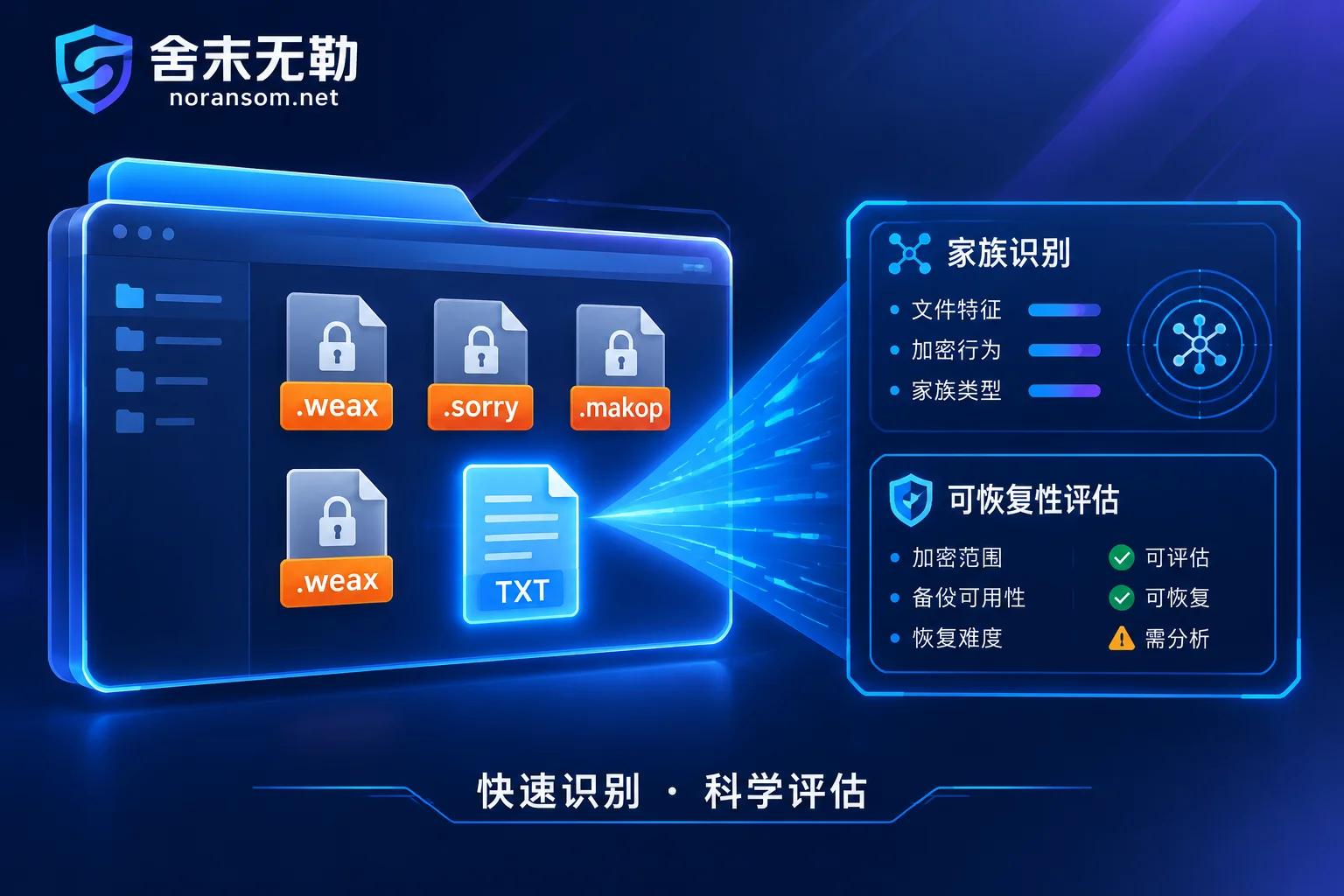
When files on your server or computer are appended with an unfamiliar ransomware extension, renaming them or blindly running generic decryption tools found online often destroys the originals. This article, based on the characteristics of recently active families such as Weaxor (.weax/.rox), Sorry (.sorry/.ths), and Makop, explains how to accurately identify the ransomware family through extension structure, ransom notes, and underlying file features, and provides a practical path for assessing the recoverability of databases, ERP, and virtualized environments.

Can Files Encrypted with .AIR Be Saved? First Distinguish Makop from Dharma, Then Decide on Ransomware Decryption and Recovery
When server, ERP, or database files are renamed with .AIR or .air extensions, do not blindly apply decryption tools. The same extension may belong to the Makop family or a Dharma (CrySiS) variant. This article explains how to distinguish the families by file naming structure and ransom note characteristics, outlines on-site containment, and details underlying data recovery paths for SQL Server and business systems like Kingdee and Yonyou when direct decryption is blocked.

What to Do If You're Hit by Ransomware: A Complete Emergency Decision Checklist from the First 30 Minutes of Loss Control to Business Restoration
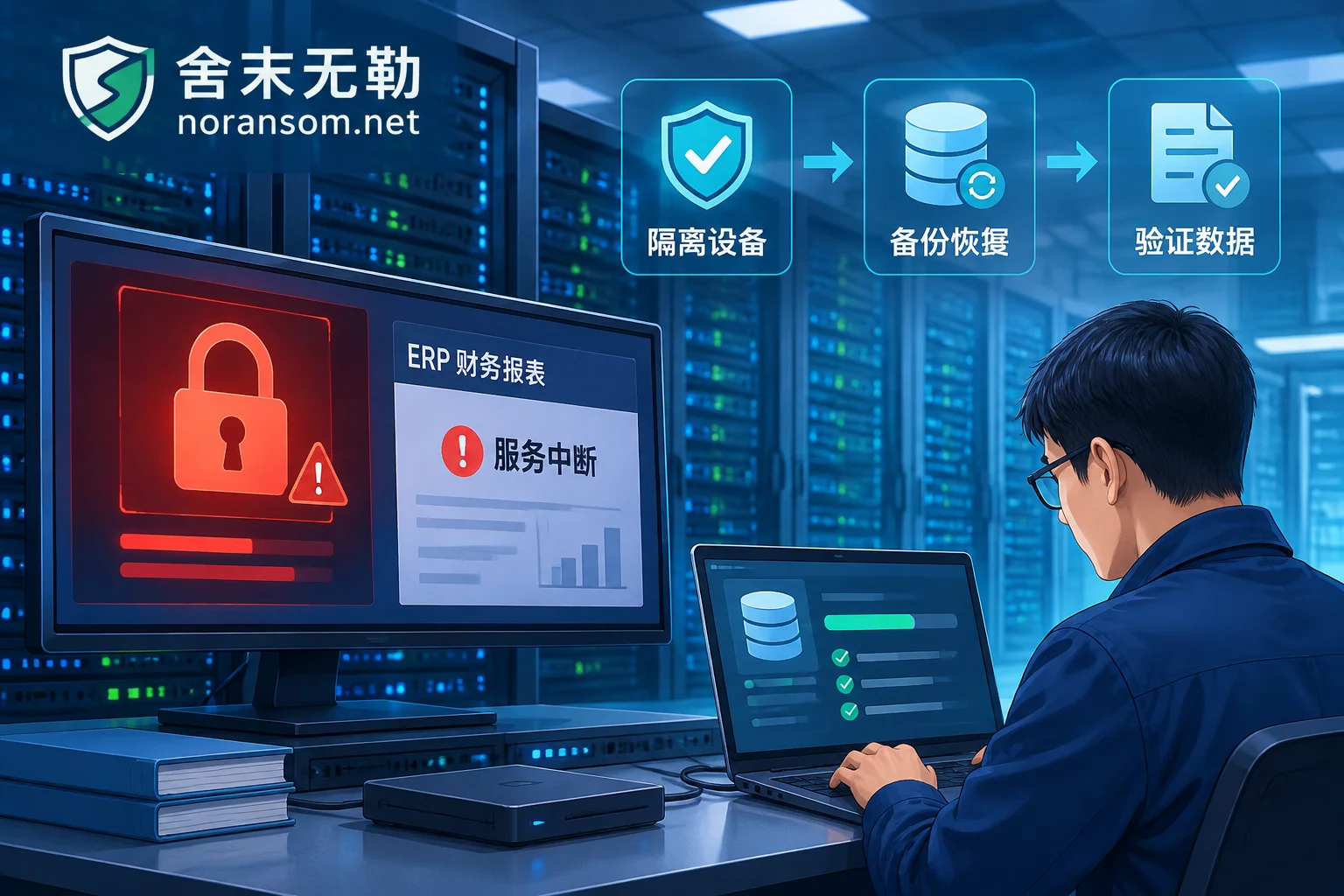
After discovering that your computer or server has been encrypted by ransomware, blindly restarting, running antivirus scans, or contacting the hackers often reduces the originally available data recovery space. This article is aimed at business leaders and IT operations staff, outlining a four-step standardized emergency response process: isolating the network and preserving the scene within the first 30 minutes, identifying the ransomware family, choosing between decryption and data extraction paths, and eradicating backdoors to rebuild defenses after cleanup.

Why Ransomware Victims Get Encrypted Again After Data Recovery: Recovering Data Is Only the First Step—Don't Go Live Until These Four Backdoors Are Cl
Many enterprises hit by Weaxor, Mallox, or Sorry ransomware painstakingly roll back from backups or finish database repairs, only to be re-encrypted within hours of going live. This article breaks down the four hidden causes of secondary infections (infected backups, unclosed initial entry points, persistent privileges, and internal lateral-movement jump hosts) and provides a complete pre-launch checklist for a safe return to production after recovery.
Can Data Be Extracted from an Encrypted VMDK File? It Depends on How Much of the Flat Volume Is Overwritten
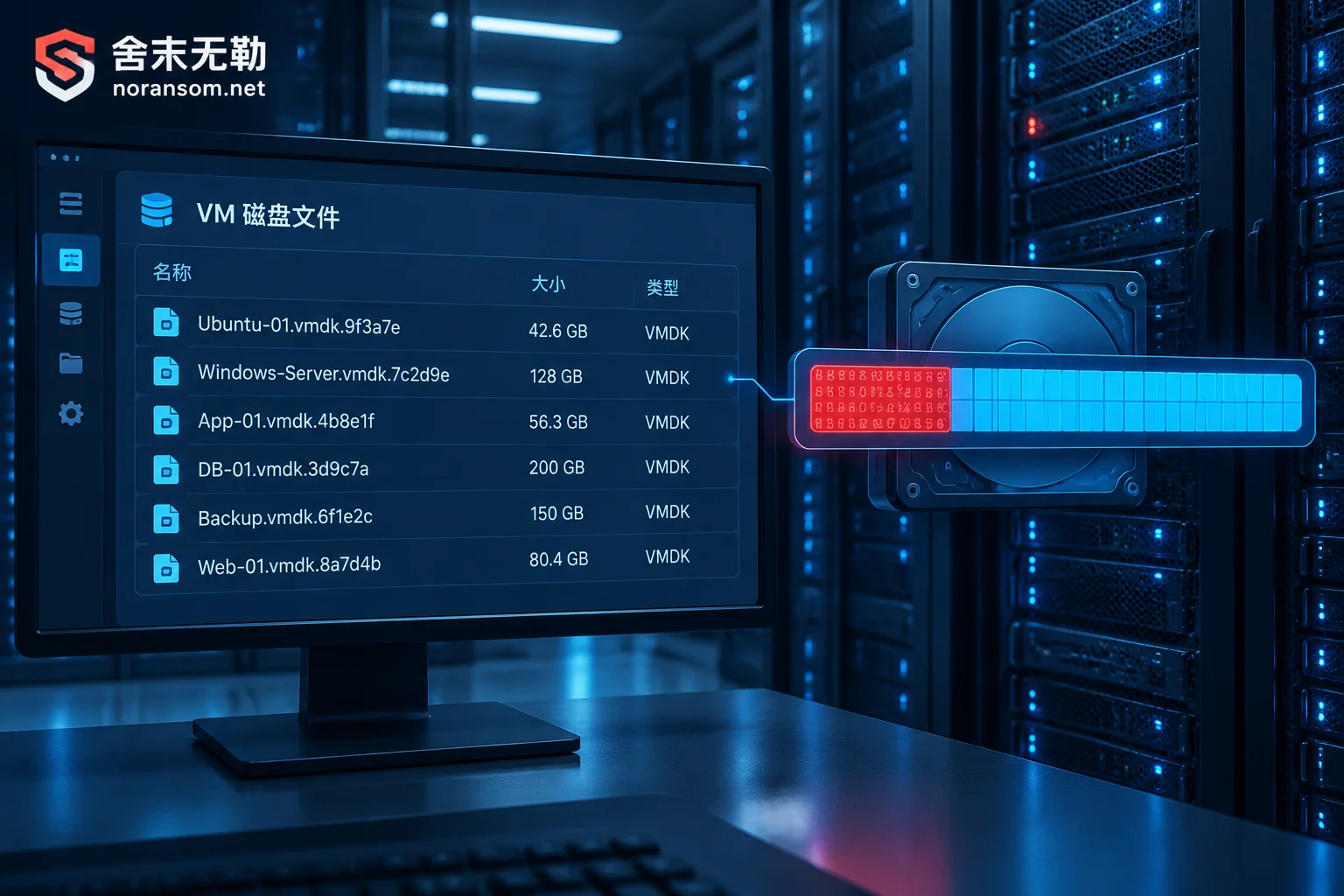
A virtual machine failing to boot does not mean all data is encrypted. This article explains the order for judging extractability after a VMDK is encrypted by ransomware: first isolate and make a read-only clone, then distinguish whether only the descriptor is encrypted, the flat volume header/intermittent encryption, or full-disk continuous encryption, and provides corresponding extraction paths, prohibited operations, and verification methods.