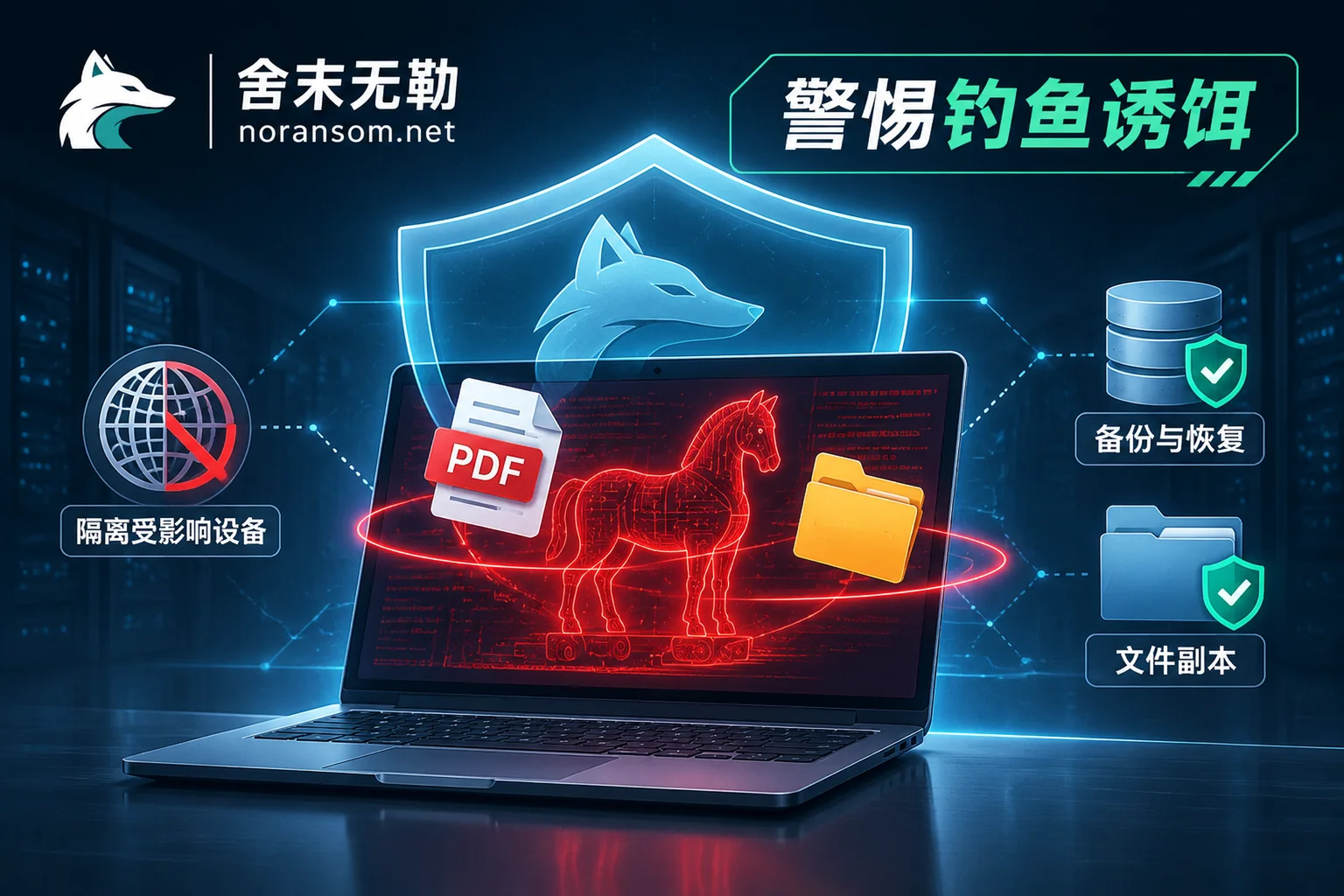
Why Silver Fox Trojan Removal Always Fails: Dissecting White+Black, Exclusion Tampering, and Plugin Resurrection Mechanisms
Many individuals and enterprises find that even after antivirus or specialized tools detect and remove the Silver Fox Trojan, their computers are remotely controlled again or alerts reappear within days. This article deeply analyzes the persistence mechanisms of the Silver Fox Trojan, including white+black loading, Defender exclusion tampering, plugin-based dynamic updates, and silent installation of legitimate management software, and provides a closed-loop removal plan that separates host cleanup, account sessions, and financial risk.
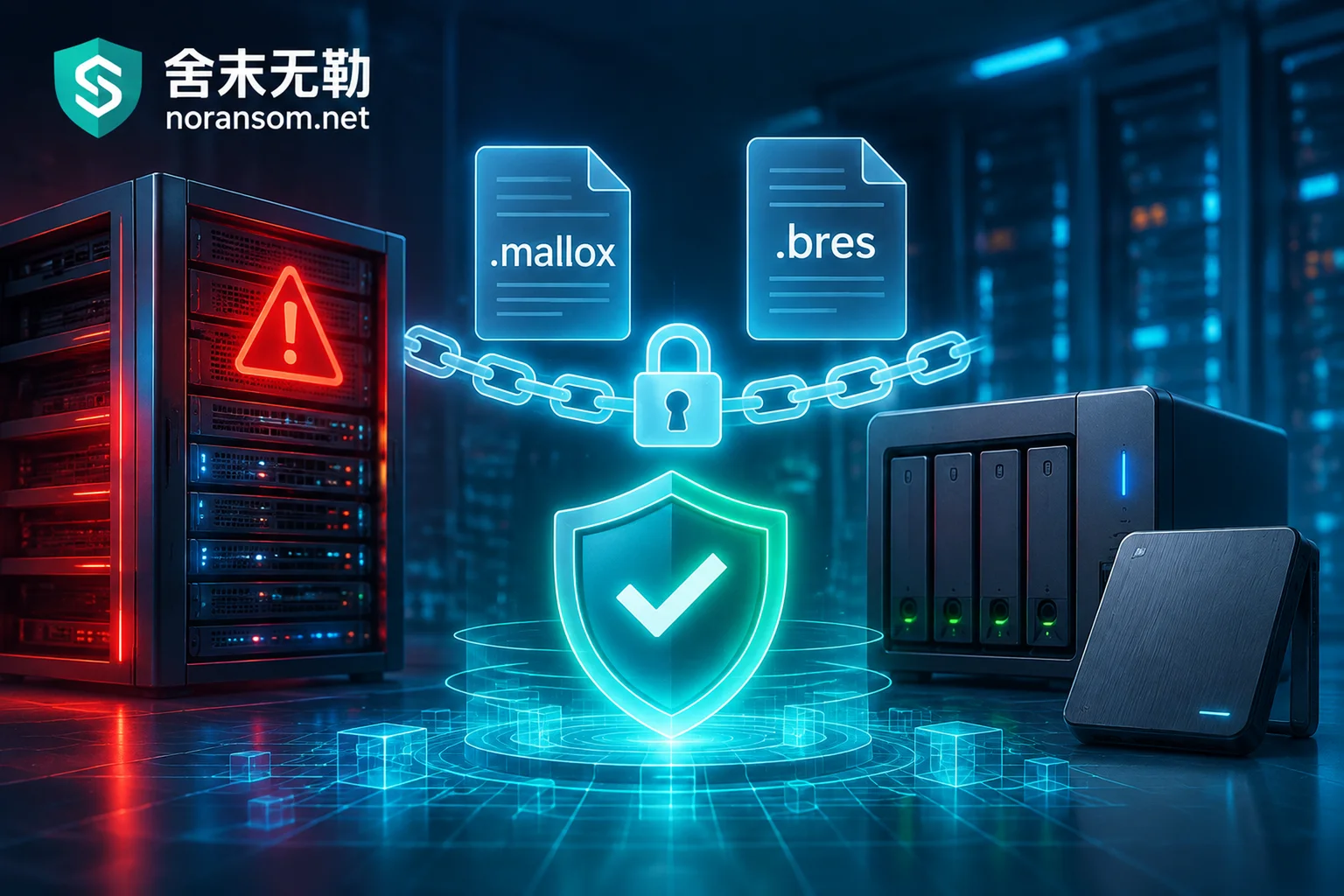
Mallox and .bres Ransomware Outbreaks: When Databases, NAS Shares, and Backup Drives Are Simultaneously Compromised, How Can Enterprises Rescue Core D
Recently, domestic manufacturing and trading enterprises have frequently encountered attacks from Mallox (including the Weaxor branch) and .bres ransomware. One is a heavy hitter targeting SQL Server and ERP systems, while the other is a stealthy killer lurking in internal networks, specifically targeting engineering drawings, NAS shares, and mounted backup drives. This article deeply analyzes the attack differences between the two, the reasons for backup failures, and data rescue solutions without paying ransom.

Can Files Encrypted with .AIR Be Saved? First Distinguish Makop from Dharma, Then Decide on Ransomware Decryption and Recovery
When server, ERP, or database files are renamed with .AIR or .air extensions, do not blindly apply decryption tools. The same extension may belong to the Makop family or a Dharma (CrySiS) variant. This article explains how to distinguish the families by file naming structure and ransom note characteristics, outlines on-site containment, and details underlying data recovery paths for SQL Server and business systems like Kingdee and Yonyou when direct decryption is blocked.
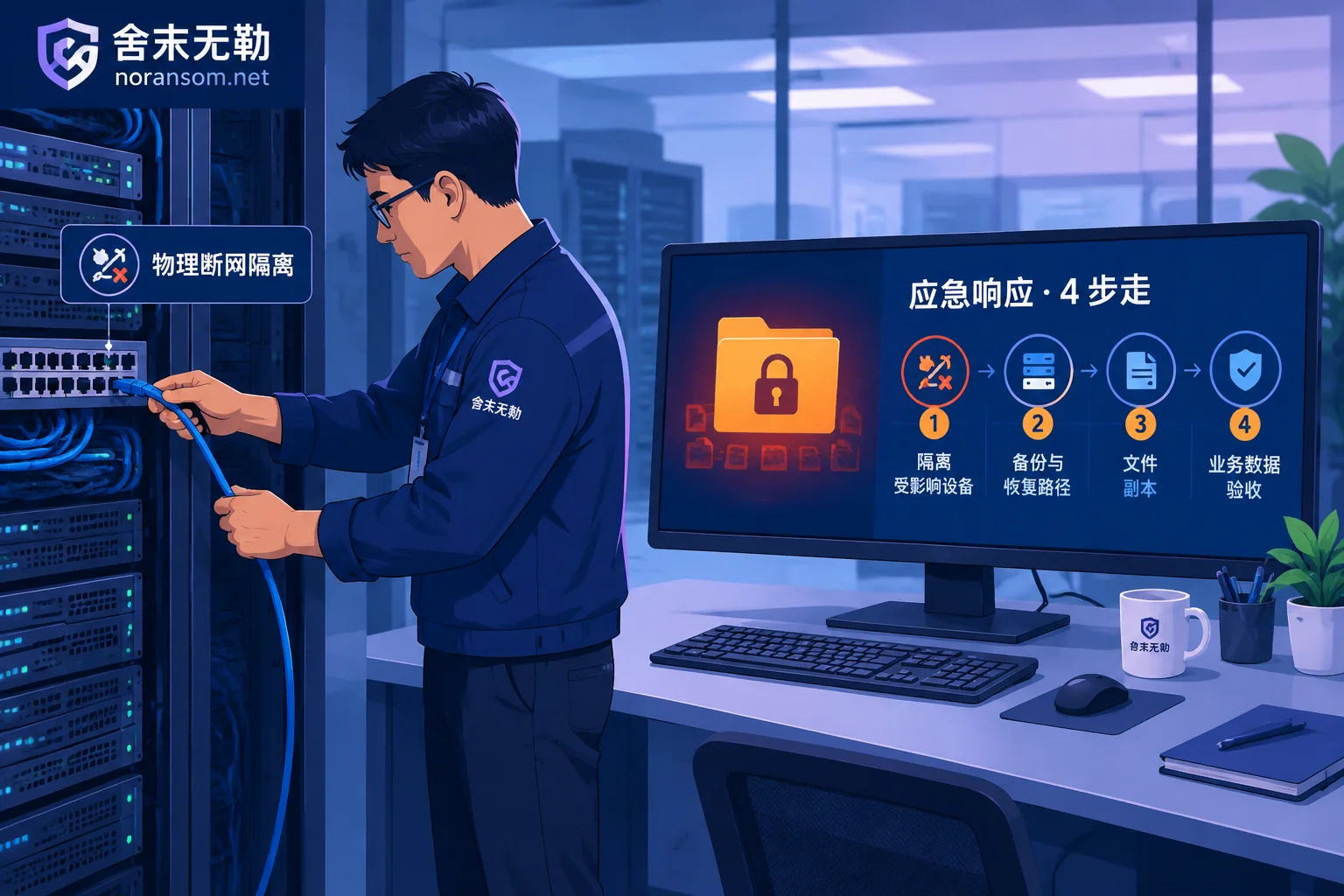
What to Do If You're Hit by Ransomware: A Complete Emergency Decision Checklist from the First 30 Minutes of Loss Control to Business Restoration
After discovering that your computer or server has been encrypted by ransomware, blindly restarting, running antivirus scans, or contacting the hackers often reduces the originally available data recovery space. This article is aimed at business leaders and IT operations staff, outlining a four-step standardized emergency response process: isolating the network and preserving the scene within the first 30 minutes, identifying the ransomware family, choosing between decryption and data extraction paths, and eradicating backdoors to rebuild defenses after cleanup.

What to Prepare Before Contacting a Ransomware Recovery Company
Ransomware recovery cannot be priced from a single statement that files were encrypted. This article explains the five types of materials usually needed before assessment and quotation: the original ransom note, a few small non-sensitive encrypted samples with unencrypted counterparts, the affected asset and database environment, backup and snapshot status, actions already taken after the incident, and how to sample without causing secondary damage or leaking sensitive data.