只是一个默认分类
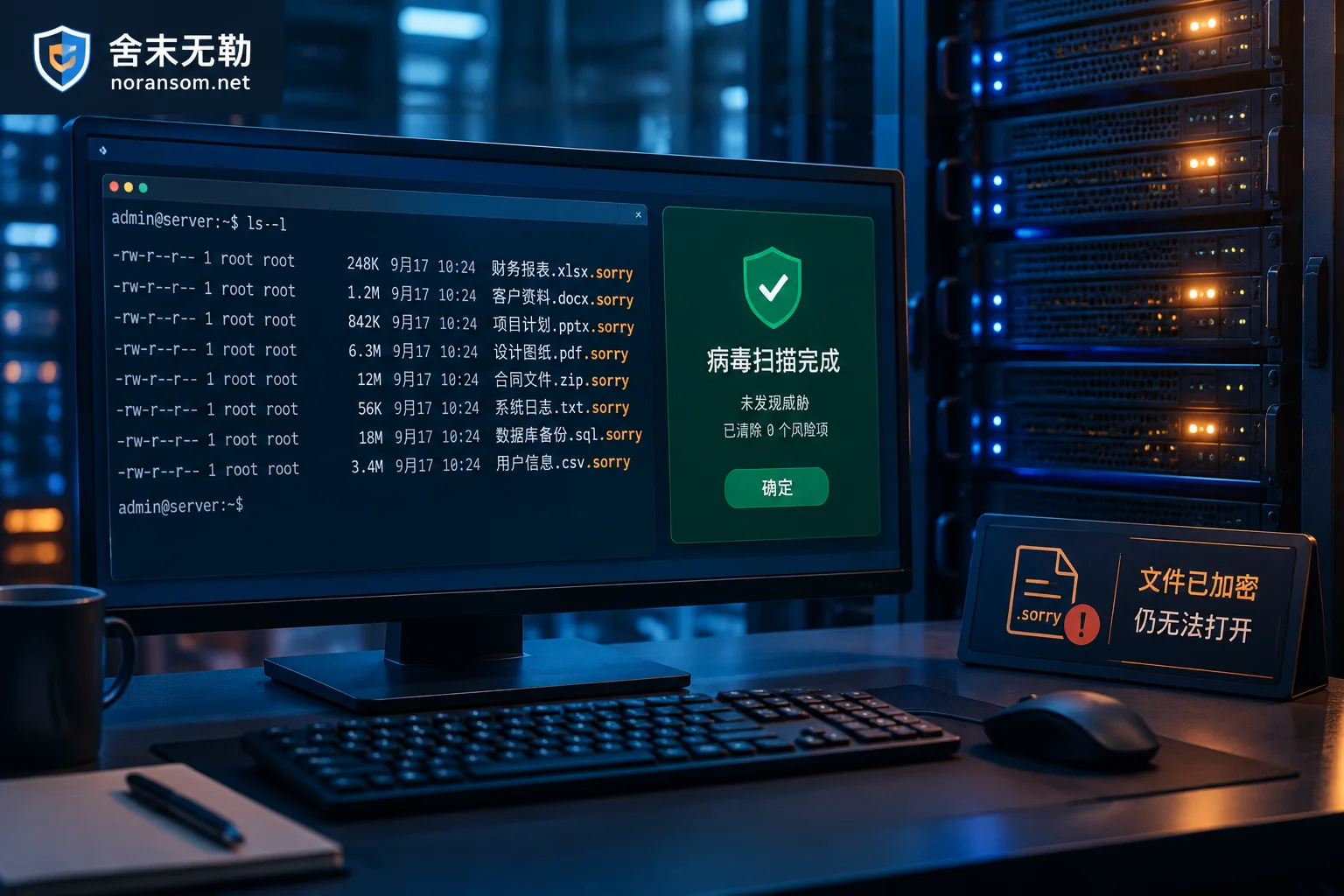
Antivirus Says "Removed," but .sorry Files Still Won't Open: Sorry Ransomware Symptoms and Real Recovery Paths
Antivirus can delete the ransomware program, but it cannot decrypt the encrypted files. This article explains the typical symptoms of Sorry ransomware, why antivirus only solves half the problem, which recovery paths may still be viable, and the tracing and hardening steps required after removal.
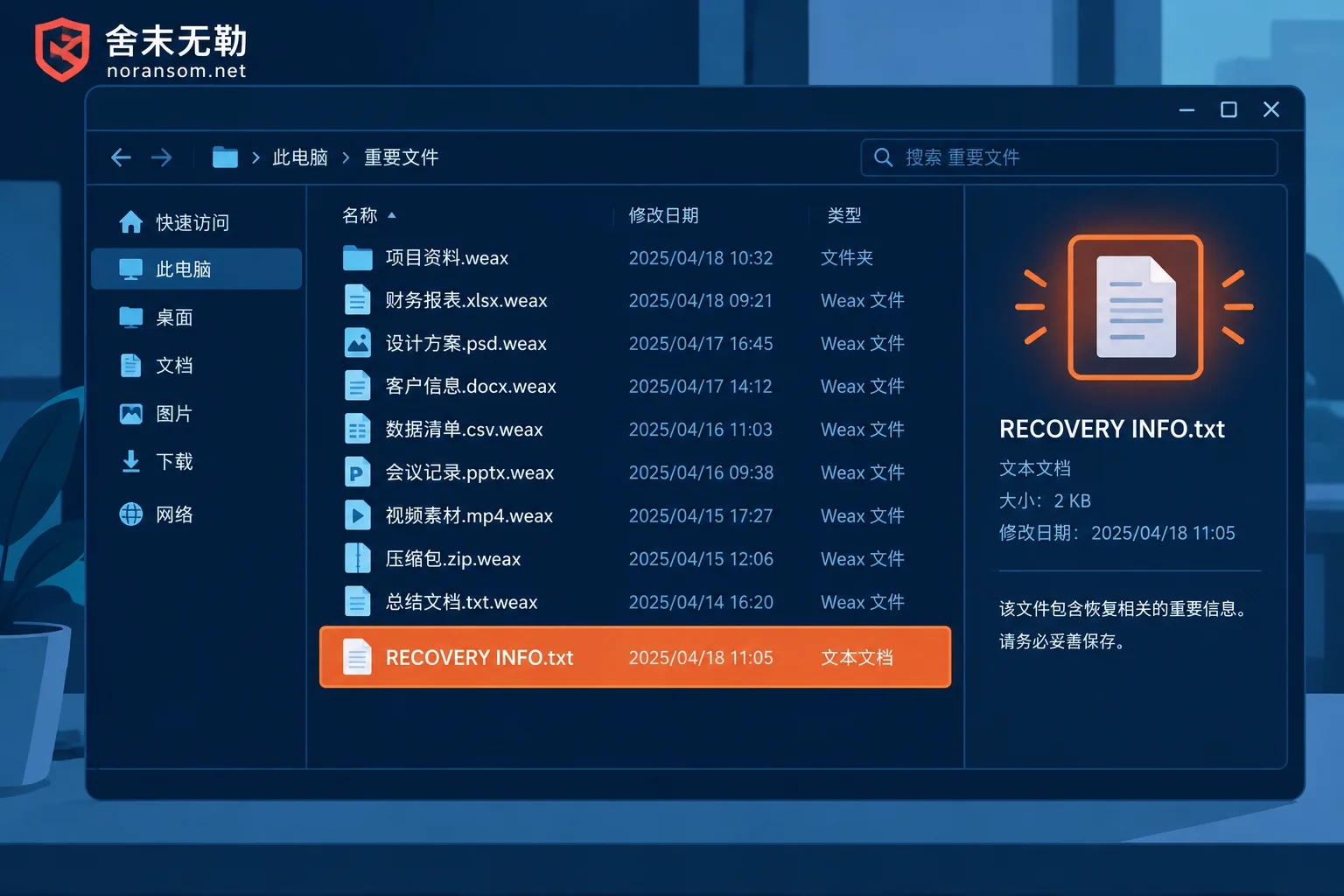
File Extensions Changed to .weax: The Antivirus Cleaned It, So Why Can't I Open My Files?
Starting from the typical symptoms of the .weax ransomware, this article explains why files remain encrypted after antivirus removal, whether any free decryptor exists, and what recovery paths are available without paying the ransom.
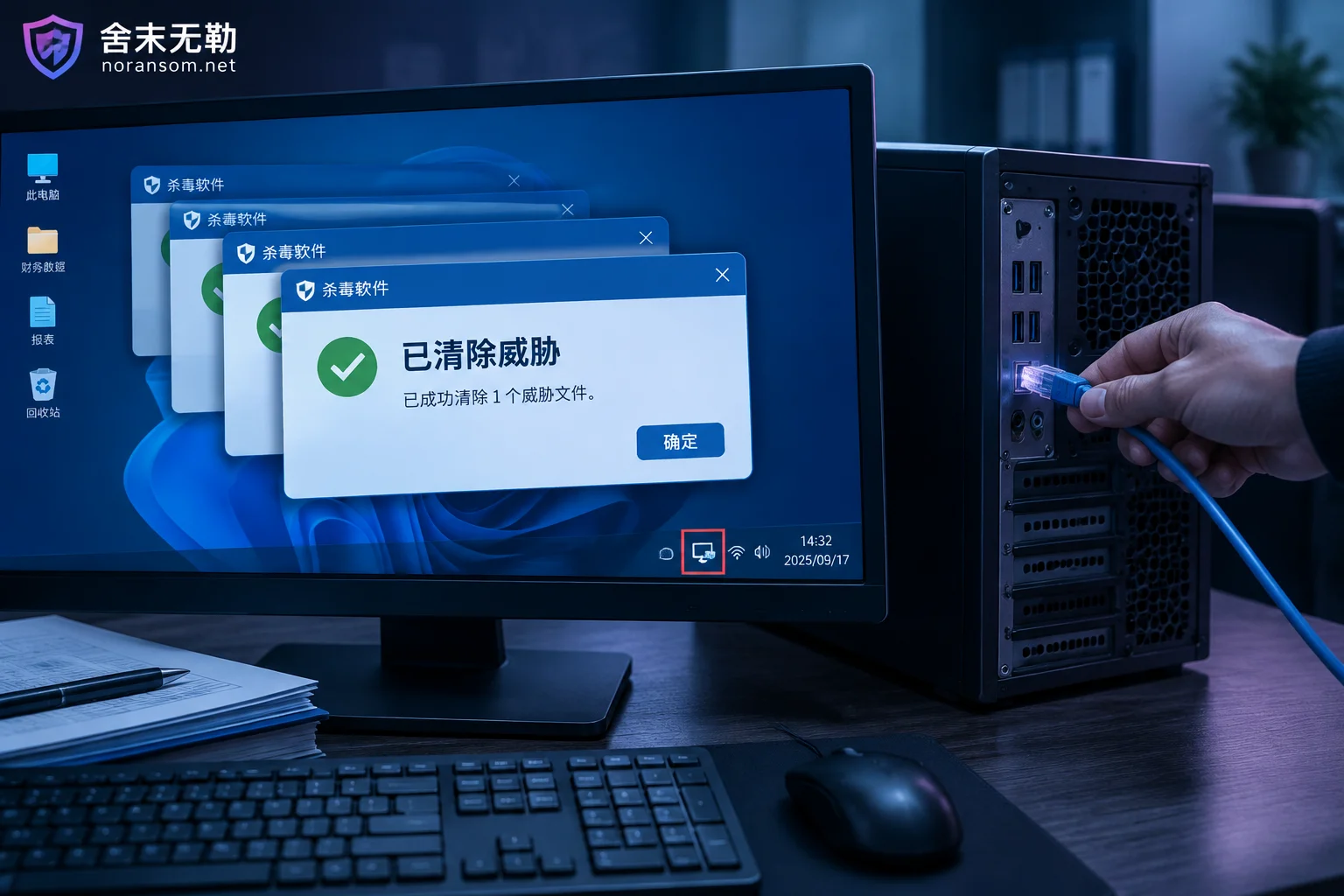
Silver Fox Trojan Reappears After Antivirus Cleanup: Disconnect First, Switch Devices, Change Passwords, Then Determine Whether Persistence Was Left o
When antivirus repeatedly detects and removes a threat that keeps coming back, the cause is usually not that the antivirus is ineffective, but that persistence items were not fully removed or the intranet/C2 channel is still re-delivering it. This article gives the priority order: disconnect from the network, change passwords on a clean device, and check funds; explains the host-side and network-side reasons for the Trojan's recurrence; describes when cleanup is enough versus when to back up pure data and reinstall; and what extra steps are needed for financial computers.
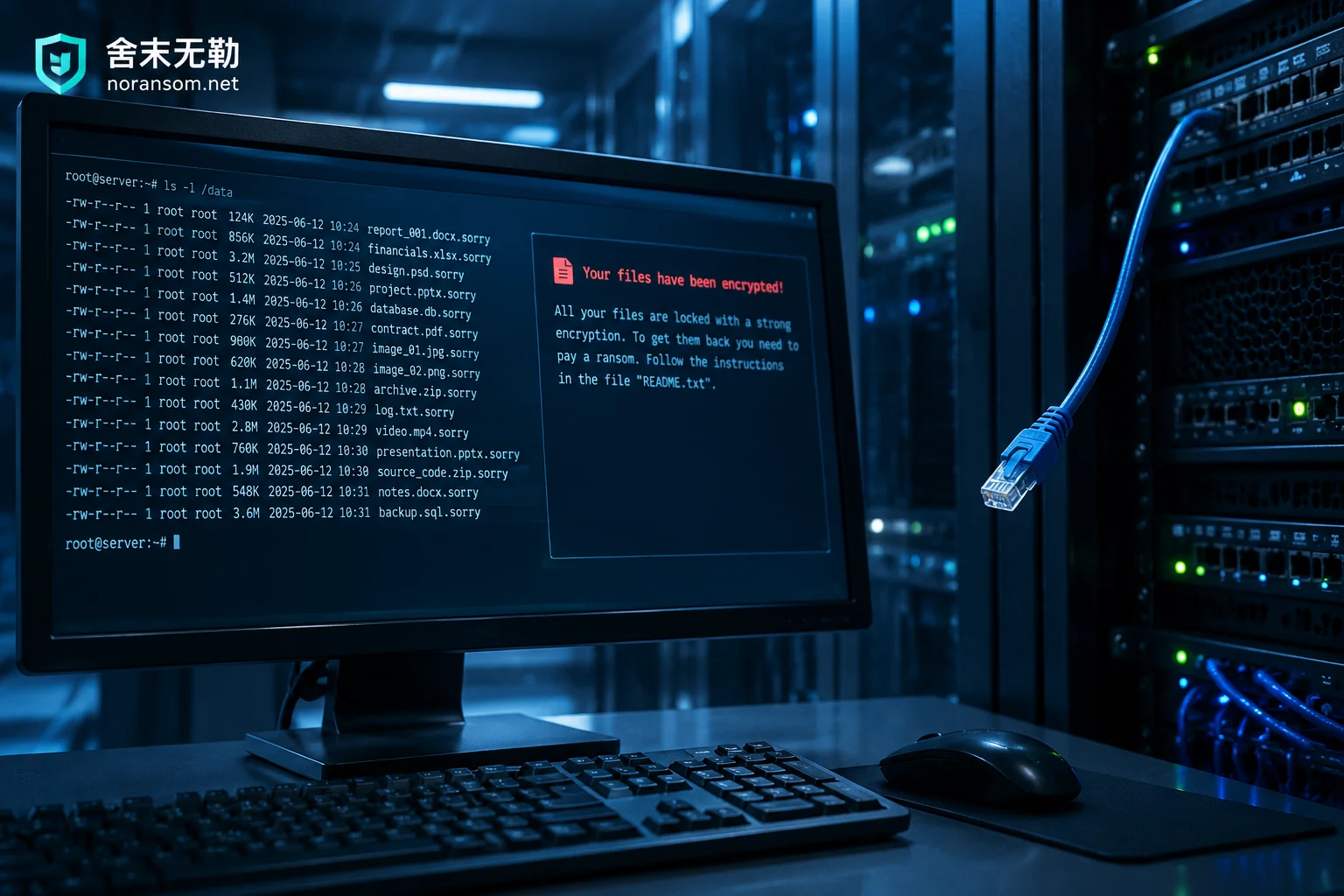
Files Given a .sorry Extension: Stop the Bleeding First, Then Assess What Can Be Recovered
When files are renamed with a .sorry extension and a ransom note appears, the first priority is isolation and preserving evidence rather than hunting for a decryption tool; this article lays out the first-hours response order, how to identify the family and judge decryptability, which recovery paths are still worth inventorying without backups, and the re-encryption risks from leaked credentials and unpatched entry points.
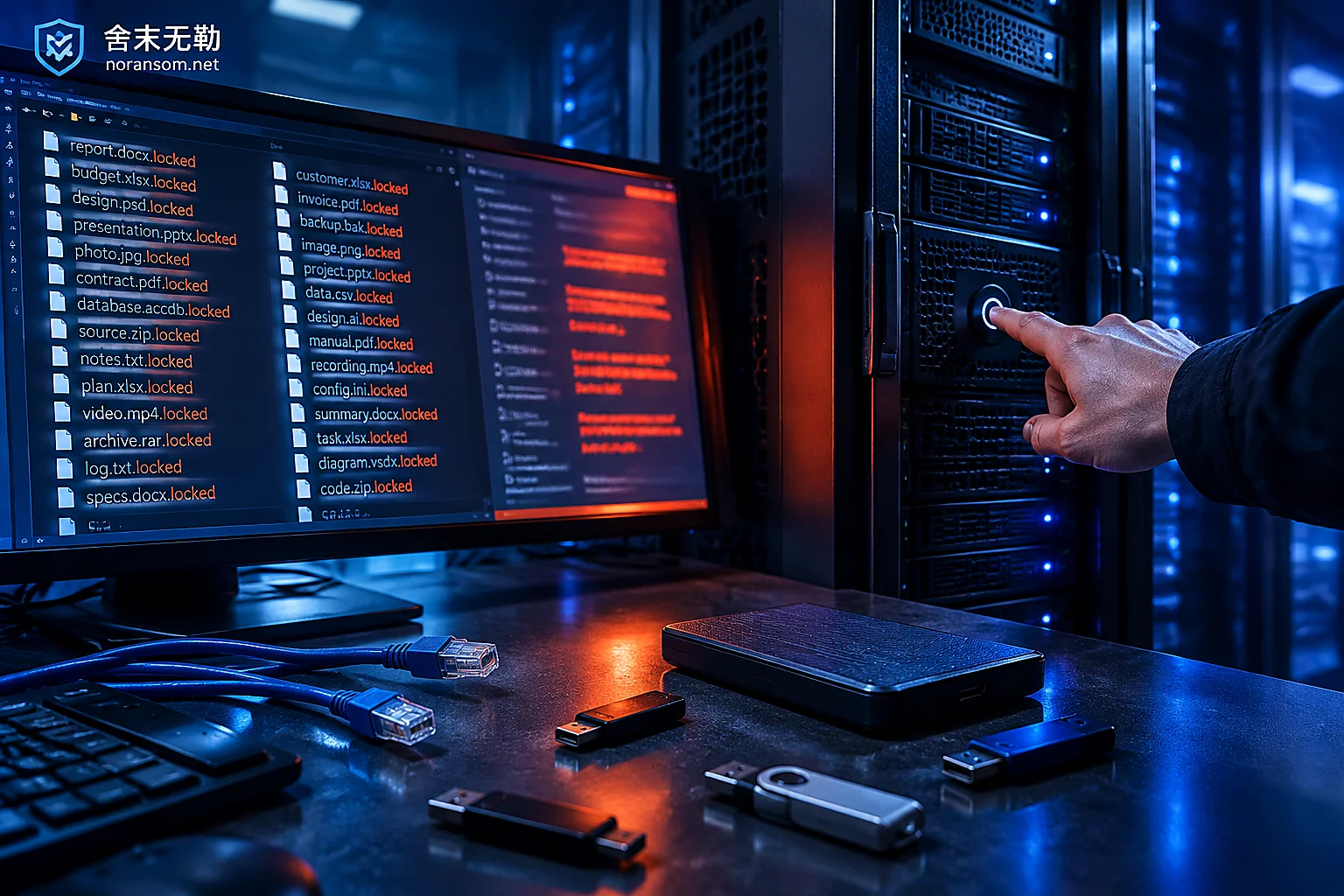
Files Still Being Encrypted After Disconnecting the Network: How to Halt It Urgently and Whether Recovery Is Still Possible
Pulling the network cable only cuts off external communication and LAN spread but cannot stop encryption threads already running in memory; this article first gives methods to forcibly freeze disk writes by device type (physical machines, ESXi/Hyper-V virtual machines, laptops), explains why you must never click "shut down" or "restart," then covers post-halt preservation red lines, imaging order, and how to evaluate recovery paths such as family identification, decryptors, backups, and residual data.
