Opened a Fake Invoice Attachment and Suspect Your PC Is Infected: First Cut the Network and Stop Payments, Then Determine Whether It's Remote Control
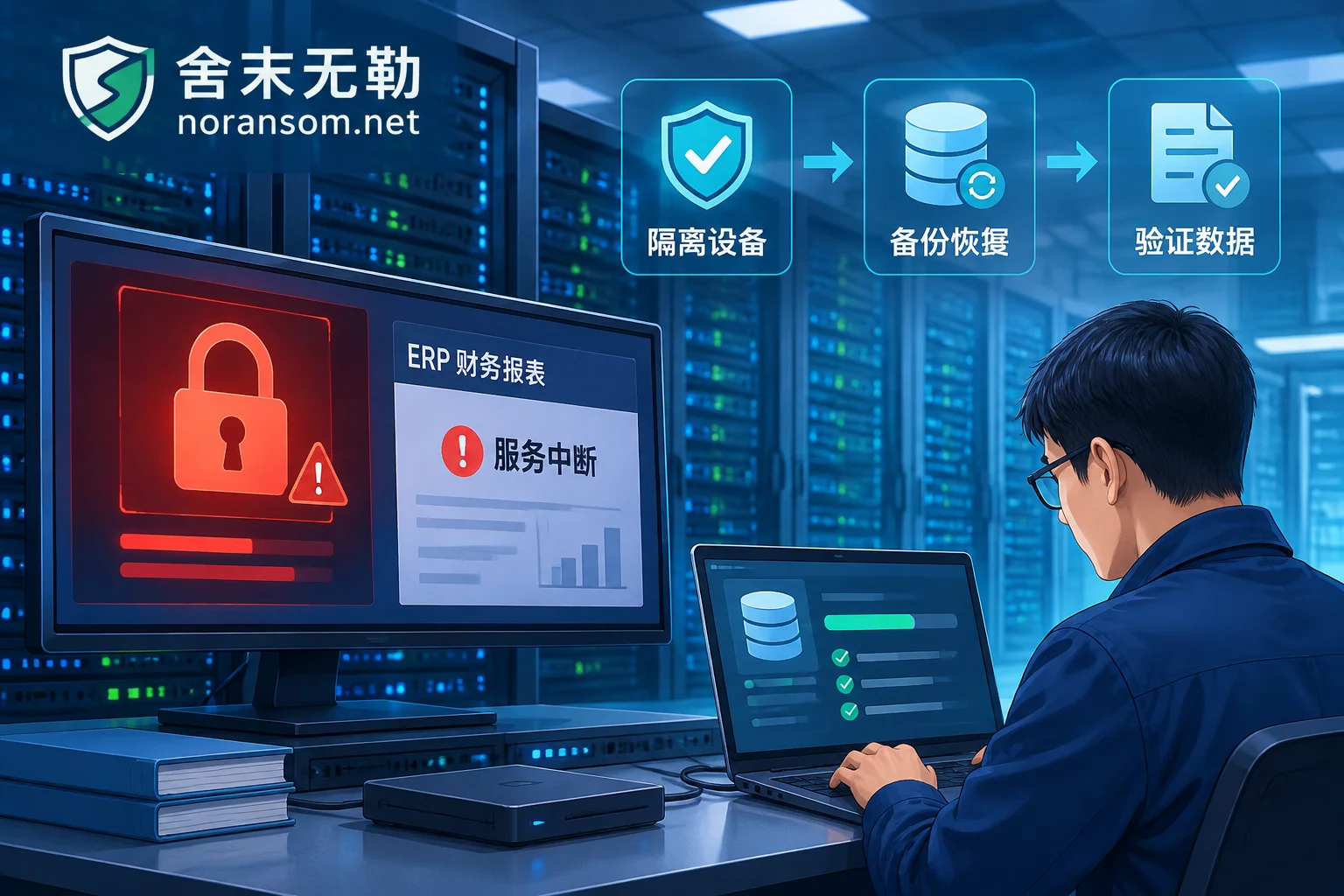
If you accidentally opened a "invoice" attachment and suspect your computer is infected, first disconnect from the network, stop all payment actions, change passwords on a clean device, and terminate sessions. Then, based on whether files are encrypted, distinguish between a remote access trojan and ransomware and follow the appropriate response path, determining when professional incident response is needed.
LockBit Ransomware: How to Confirm, Can It Be Decrypted, and What Recovery Paths Remain Without a Key Match
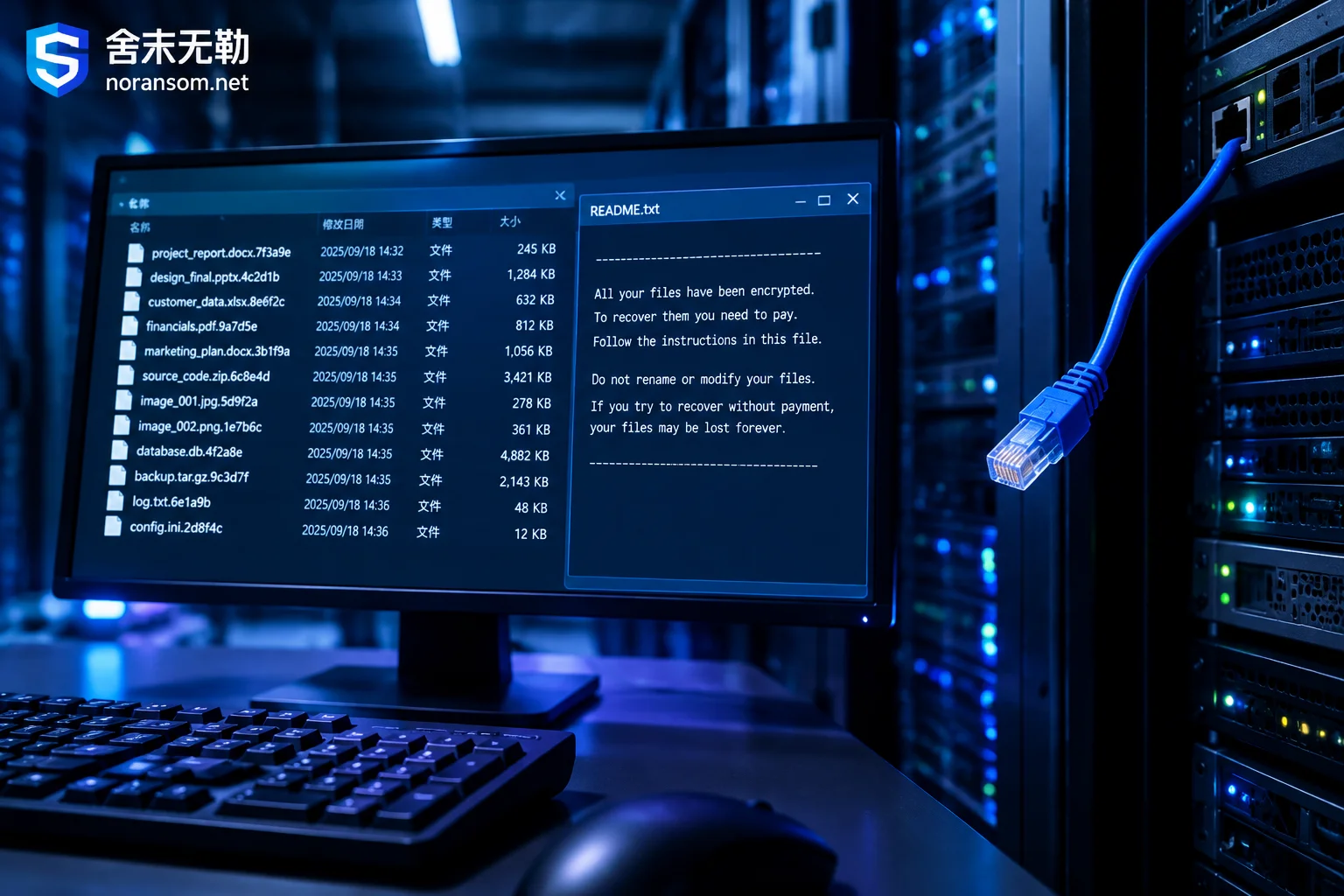
Identify LockBit and its version from file extensions and ransom note traits, explain what deleting shadow copies, clearing logs, lateral movement through domain controllers, and encrypting ESXi virtual disks mean for recovery, clarify the real scope of the No More Ransom decryption checker after Operation Cronos, and outline what to inventory for backup, database, and VM image recovery when no key match is found.
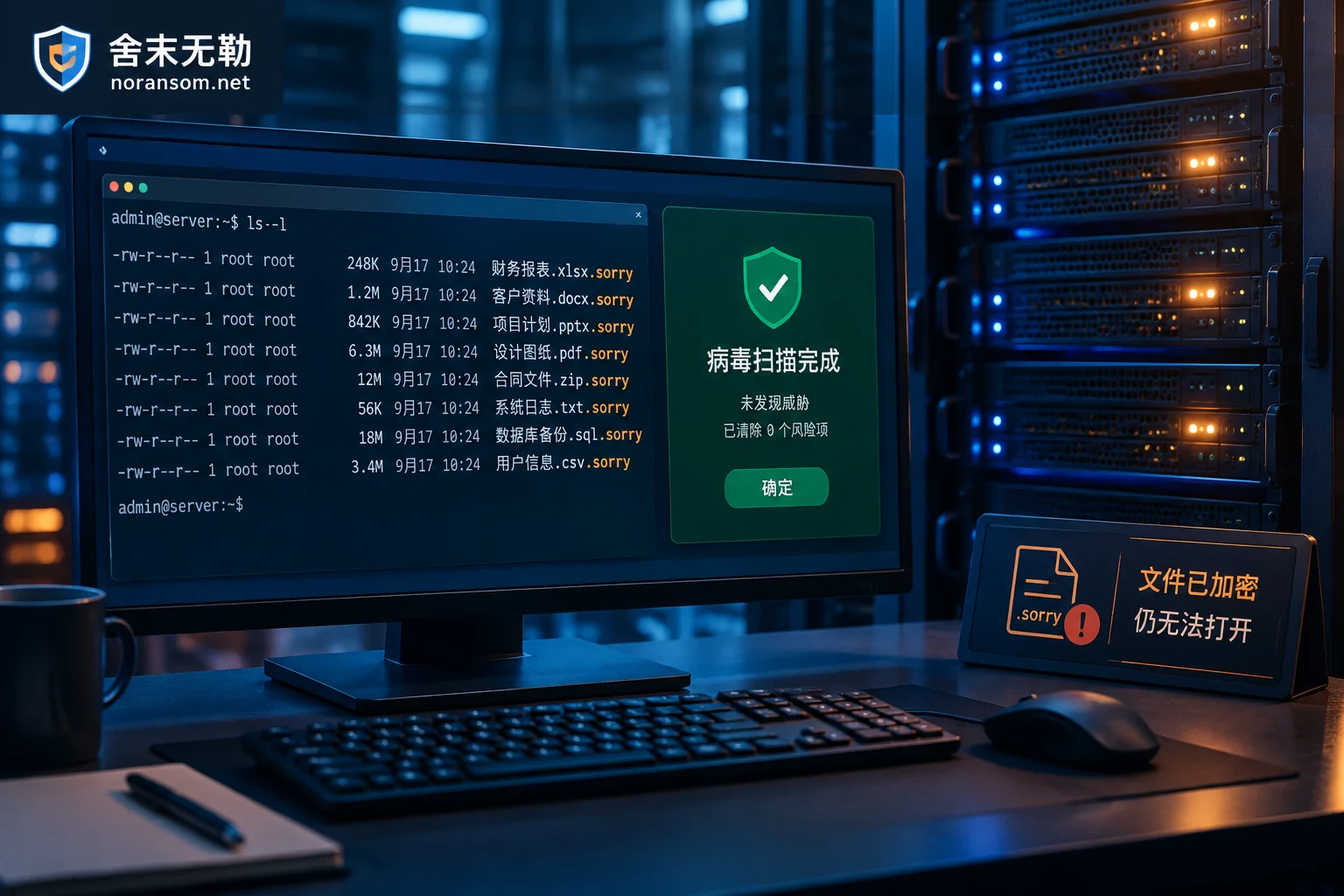
Antivirus Says "Removed," but .sorry Files Still Won't Open: Sorry Ransomware Symptoms and Real Recovery Paths
Antivirus can delete the ransomware program, but it cannot decrypt the encrypted files. This article explains the typical symptoms of Sorry ransomware, why antivirus only solves half the problem, which recovery paths may still be viable, and the tracing and hardening steps required after removal.
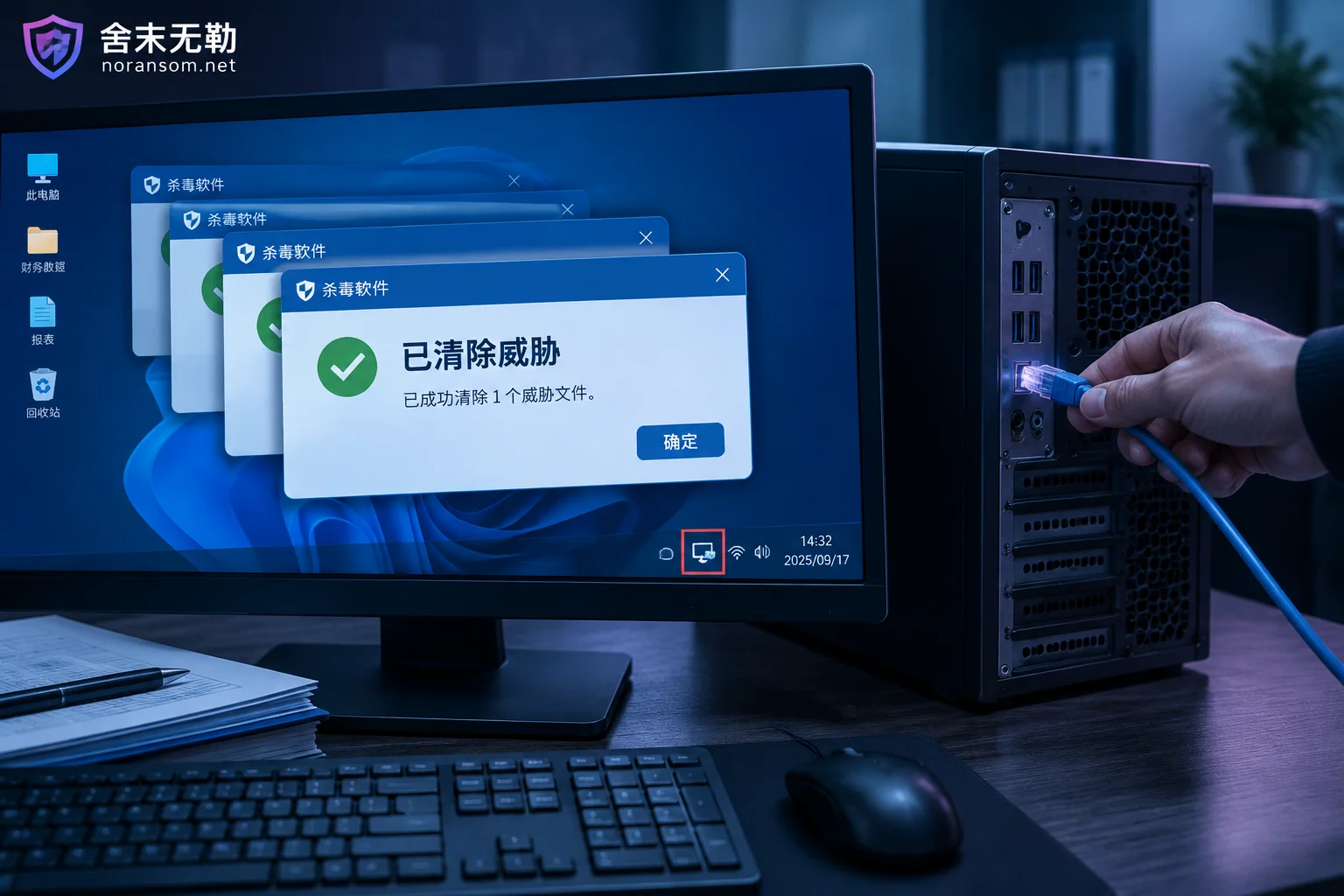
Silver Fox Trojan Reappears After Antivirus Cleanup: Disconnect First, Switch Devices, Change Passwords, Then Determine Whether Persistence Was Left o
When antivirus repeatedly detects and removes a threat that keeps coming back, the cause is usually not that the antivirus is ineffective, but that persistence items were not fully removed or the intranet/C2 channel is still re-delivering it. This article gives the priority order: disconnect from the network, change passwords on a clean device, and check funds; explains the host-side and network-side reasons for the Trojan's recurrence; describes when cleanup is enough versus when to back up pure data and reinstall; and what extra steps are needed for financial computers.
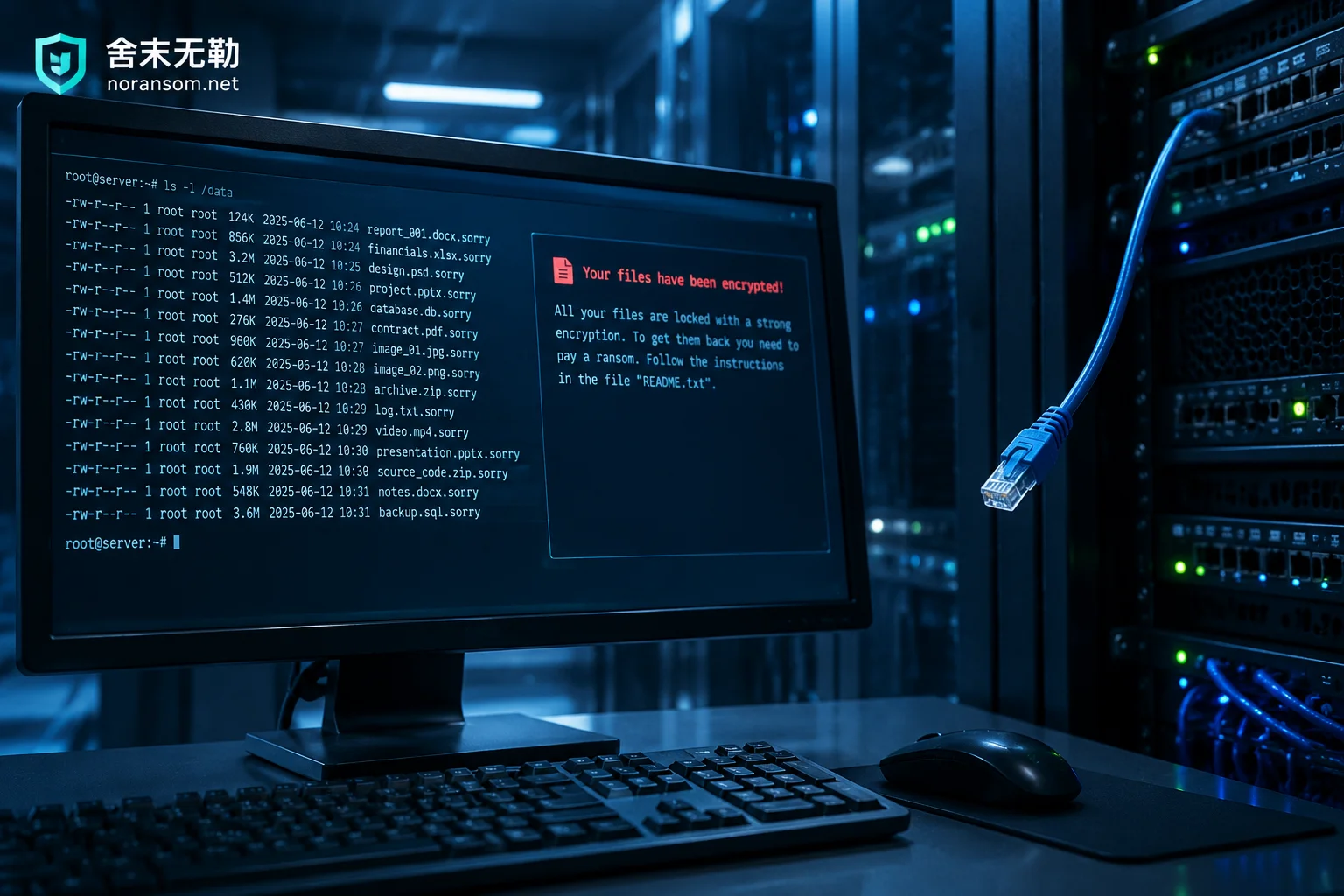
Files Given a .sorry Extension: Stop the Bleeding First, Then Assess What Can Be Recovered
When files are renamed with a .sorry extension and a ransom note appears, the first priority is isolation and preserving evidence rather than hunting for a decryption tool; this article lays out the first-hours response order, how to identify the family and judge decryptability, which recovery paths are still worth inventorying without backups, and the re-encryption risks from leaked credentials and unpatched entry points.