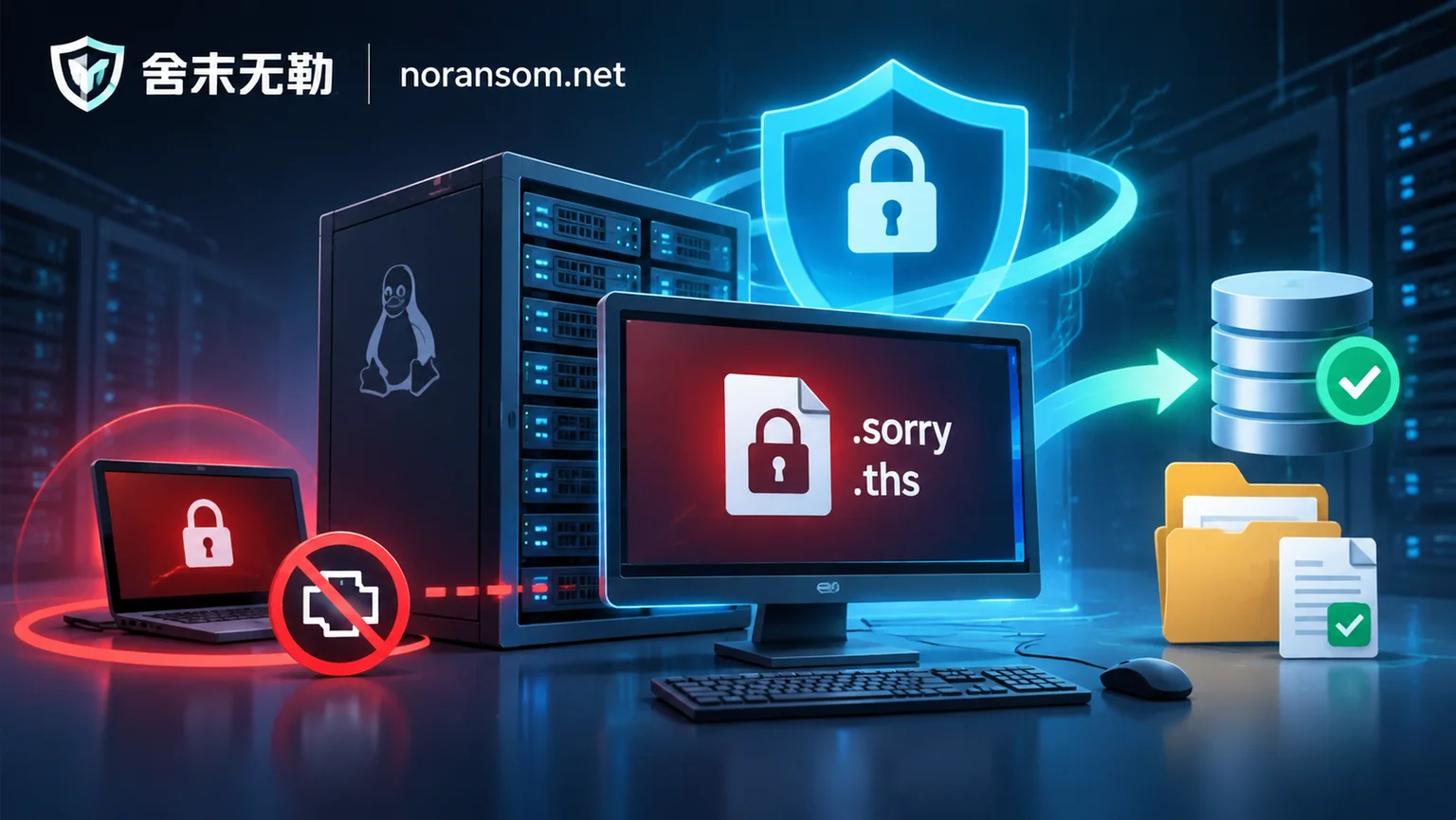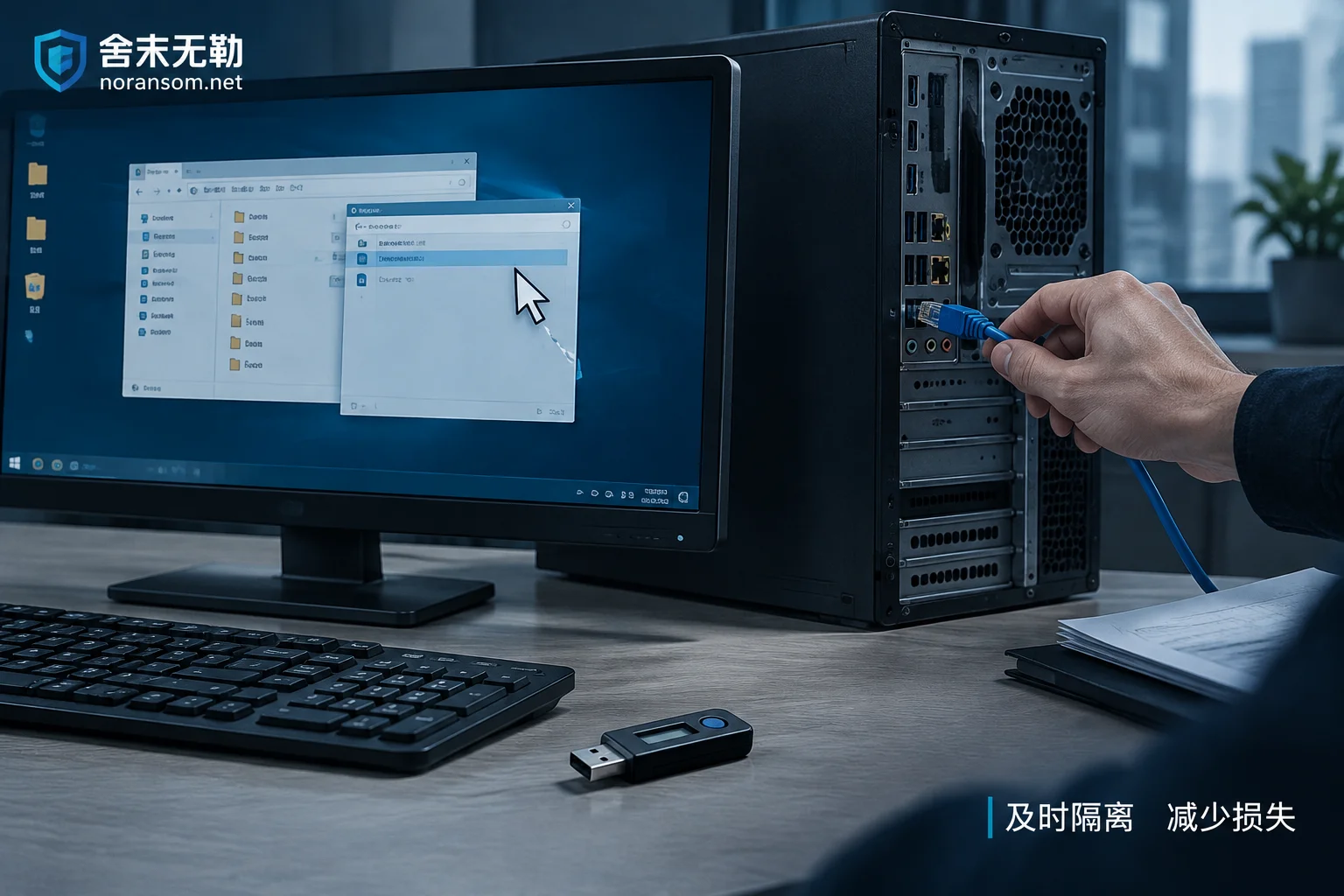
Mouse Controlled Remotely but Antivirus Reports Clean: Disconnect Network, Remove USB Shield, Then Handle Accounts on Another Device
When the mouse moves on its own and antivirus finds nothing, it's often a remote-access trojan using signed loaders or legitimate remote tools. This article gives the immediate action order: disconnect the physical network, pull the USB shield, change passwords and terminate sessions on another trusted device, then investigate persistence such as scheduled tasks.
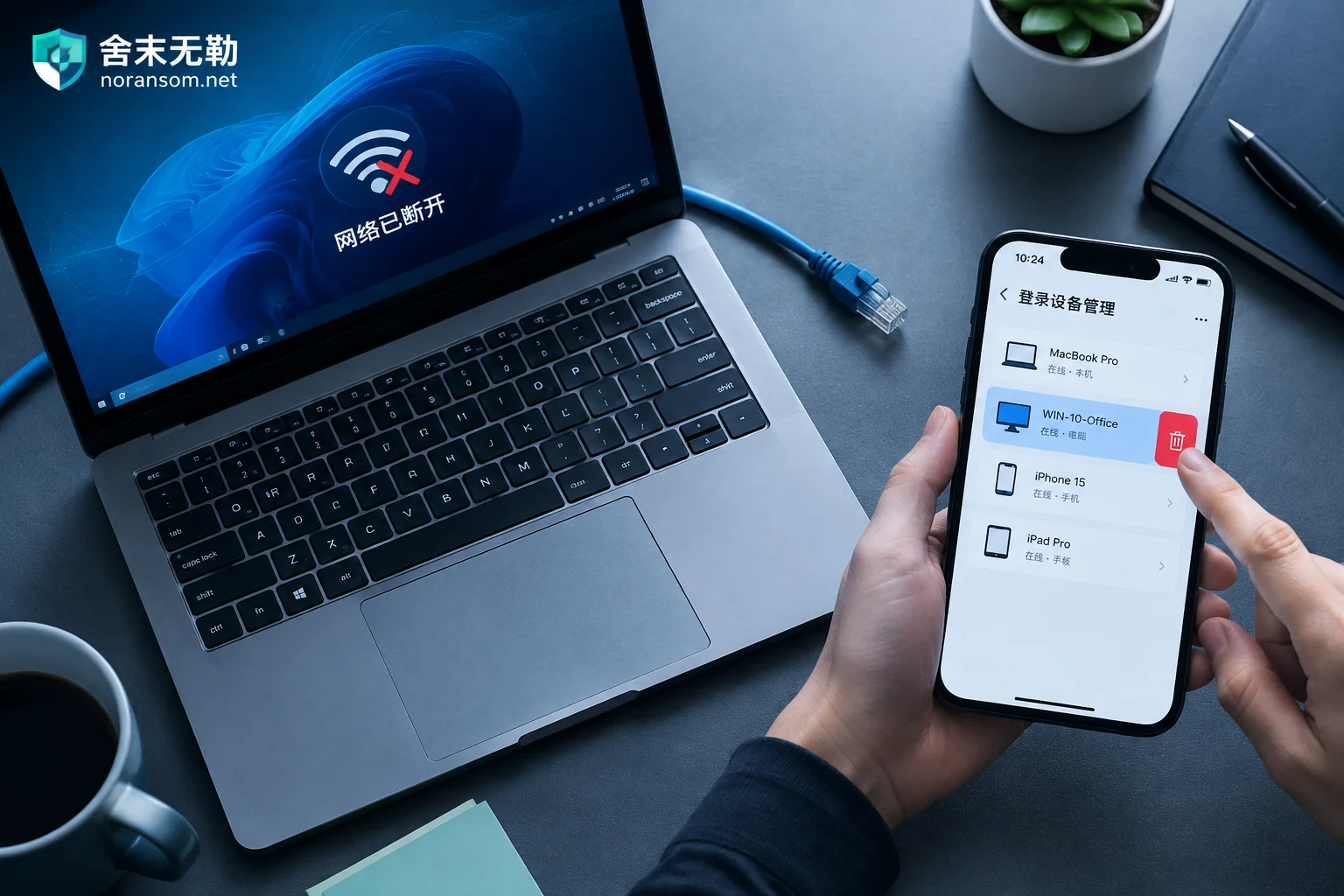
Hit by Silver Fox Trojan: How to Handle WeChat and QQ Accounts — Disconnect First, Then Kick Logins from Another Device
After a suspected Silver Fox Trojan infection, handle WeChat and QQ in this order: physically disconnect the infected PC, use a trusted device like your phone to remove PC logins, change passwords, and enable login protection, then notify contacts to prevent fraud, check financial channels, and finally clean the host.
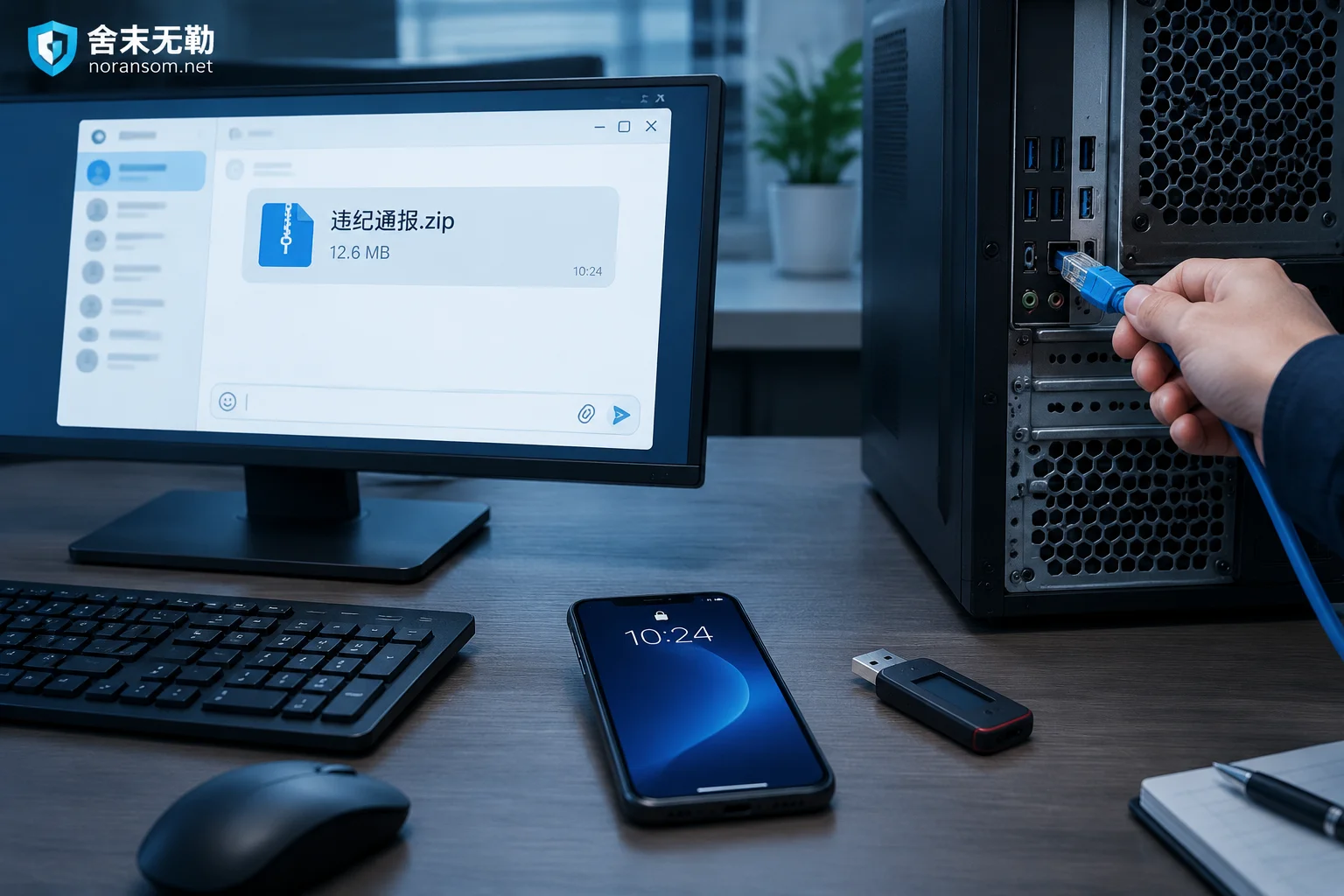
Suspected Silver Fox Trojan After Opening a Group 'Disciplinary Notice': Do These Five Things First, Antivirus Last
If you double-clicked a 'disciplinary notice' archive shared in a group chat and suspect a Silver Fox Trojan infection, your first move isn't to run antivirus—it's to disconnect from the network, force-log out all PC sessions from a trusted device and change passwords, have finance staff unplug USB banking keys and pause payments, then warn the group through other channels. This article covers the emergency response order, how to tell if you're actually infected, why a clean antivirus scan isn't reassuring, and when to bring in professionals.
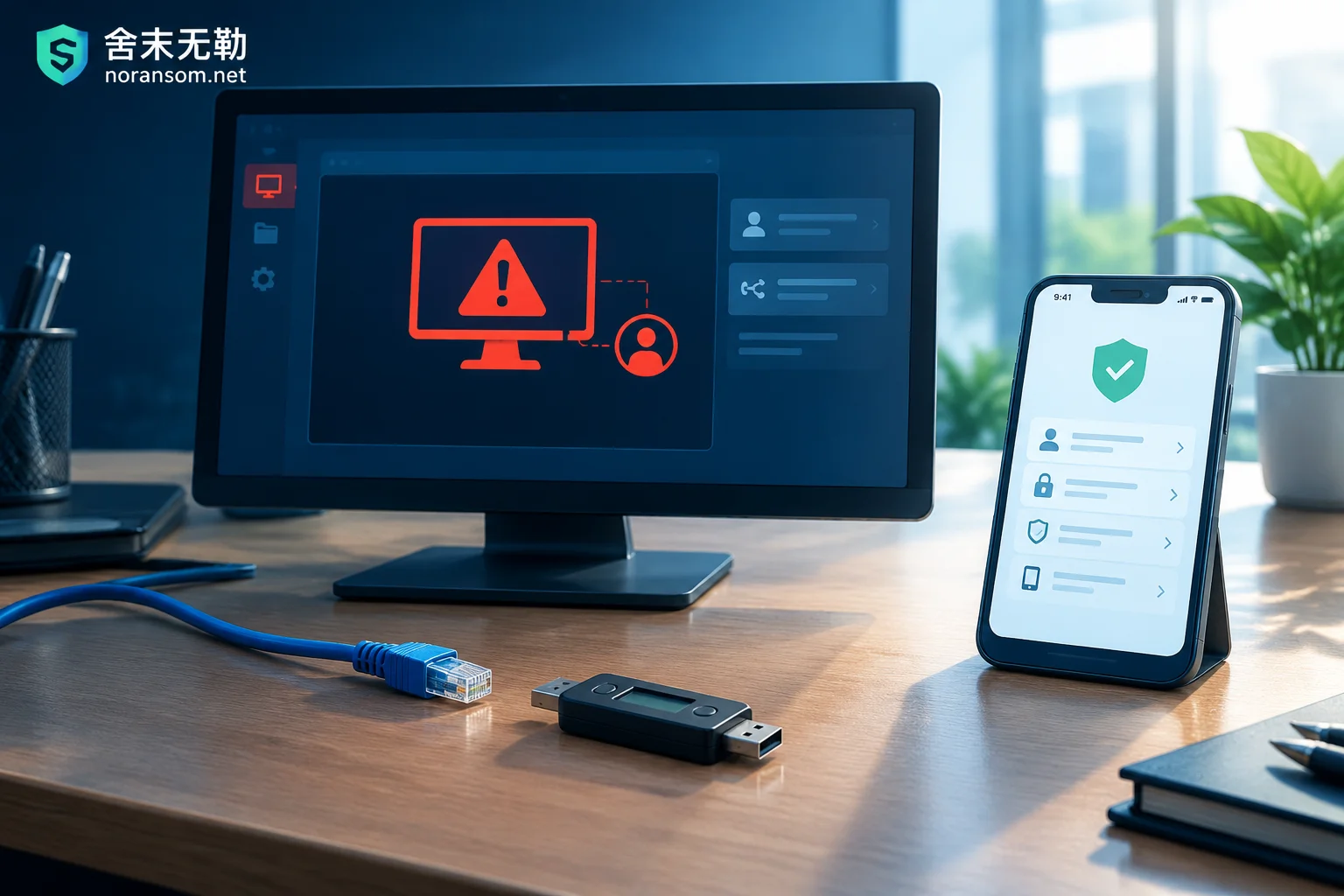
Which Account Passwords to Change After Finding a Silver Fox Trojan: Don't Change Them on That Computer
The Silver Fox Trojan logs keystrokes, grabs clipboard data, and dumps browser-saved passwords and cookies, so changing passwords on the compromised machine hands the new credentials straight to the attacker. This article gives the correct order: disconnect from the network and unplug USB keys first, switch to a clean device, then reset credentials layer by layer across chat/office accounts, every site saved in the browser, online banking and accounting systems, email, and domain/intranet passwords—and explains why each layer must also force-log-out all historical sessions.
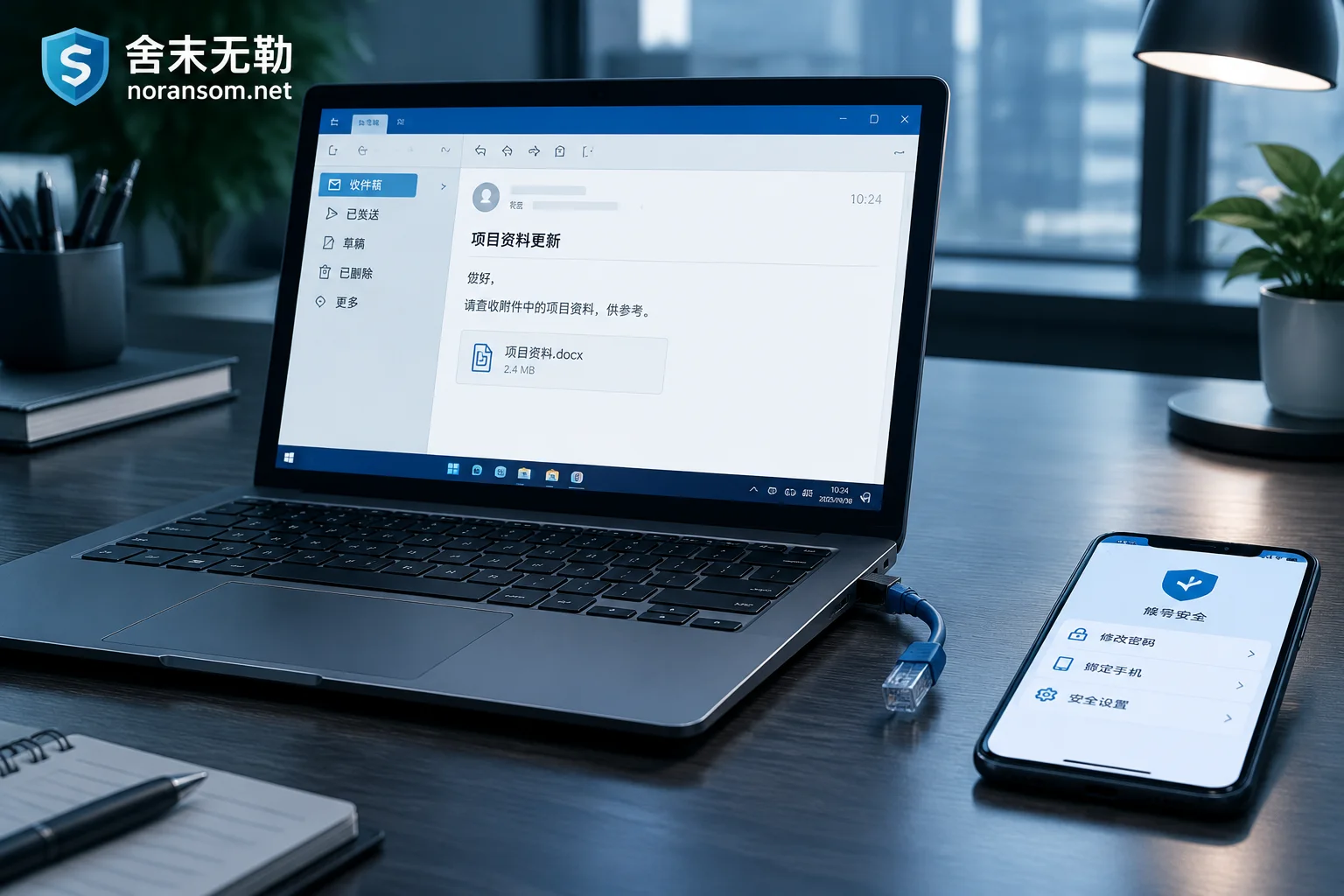
You Opened a Suspicious Attachment but Your PC Seems Fine — Should You Still Check? Yes, and Do These Two Things First
No popup, no lag, and the file looked normal after opening a suspicious attachment — that is exactly how most modern phishing attachments behave, and it is not evidence that you are safe. This article gives the two top-priority actions (disconnect from the network, switch devices to change passwords and revoke sessions), explains why an antivirus showing no threat does not rule out compromise, what three things you need to recall, which persistence locations to check, and when you can handle it yourself versus when it must be treated as an incident.