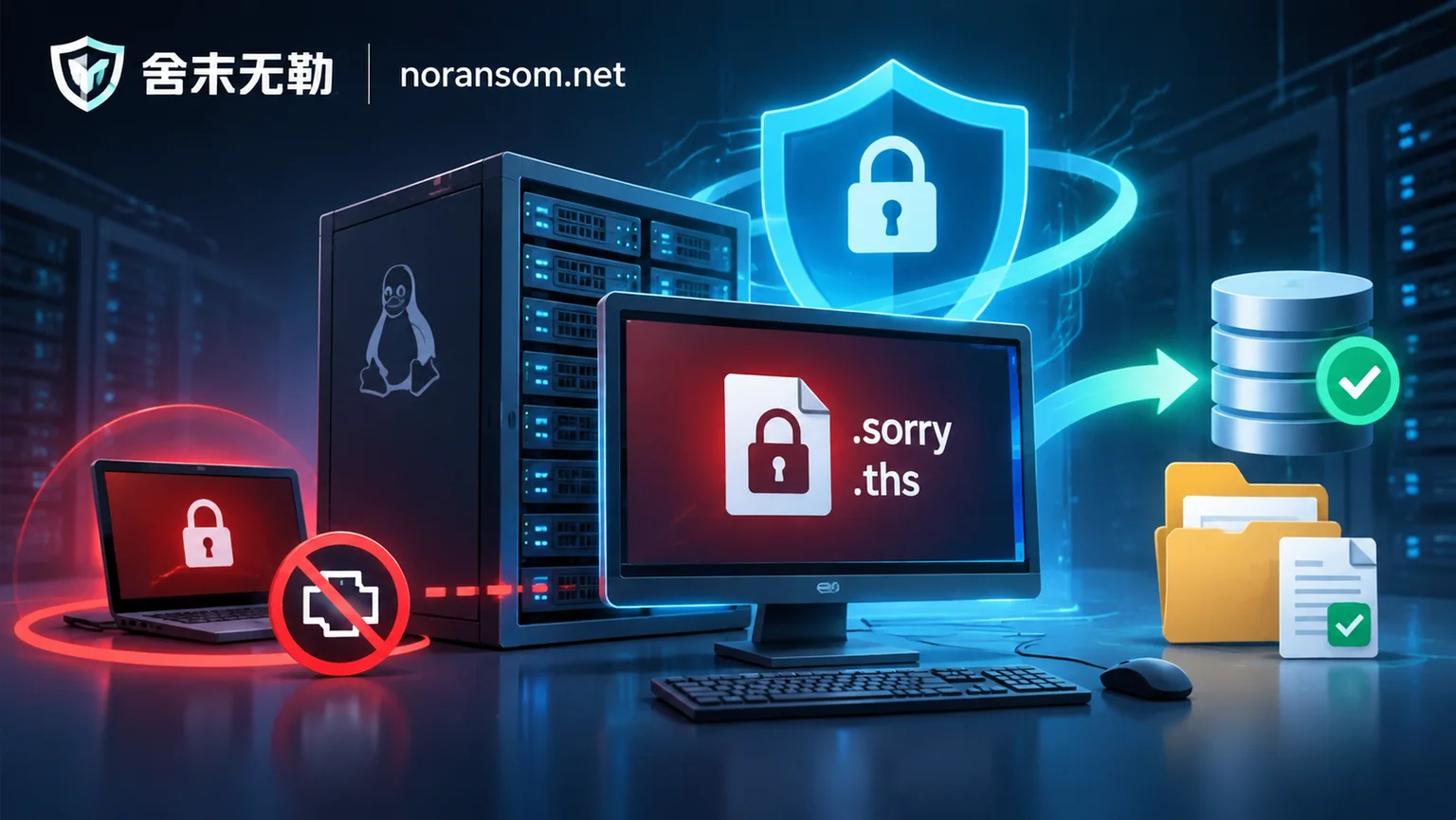
Entering 2026, the attack patterns of ransomware have evolved again. From the "Sorry" ransomware that swept Linux servers in mid-year to the recent concentrated outbreak of ".L0CK3D" targeting Synology NAS, attackers are no longer just "casting a wide net" but using high-risk vulnerabilities (such as CVE-2026-41940) for precise strikes. Many enterprises find that even with RAID arrays configured and systems upgraded, core data is still locked down in a short time.
The New Normal of Ransom Attacks in 2026
- Stealthier Attack Paths: Attackers often infiltrate through web services or container vulnerabilities (such as Docker/GitLab vulnerabilities) exposed on the public internet, using scheduled tasks (crond) to lurk silently and trigger encryption without the administrator's awareness.
- "Double Extortion" Becomes Mainstream: Attackers steal sensitive data before encryption. If the enterprise refuses to pay the ransom, data leakage will bring a second blow.
- Escalating Destructiveness: They not only encrypt business files but also actively terminate database services, delete volume shadow copies and backup snapshots, completely blocking the enterprise's self-rescue path.
"Pitfall Avoidance" Guide After an Attack
Many enterprises, after discovering business paralysis, often take wrong actions due to panic, leading to complete destruction of data that could have been recovered:
- Do not restart/force shutdown: Some variants will execute further destructive operations during system restart.
- Refuse blind reinstallation: Reinstalling the system without extracting evidence will destroy memory and log traces needed for tracing.
- Do not trust "universal decryption tools": Fake tools circulating on the market may contain secondary backdoors, or due to version mismatch, fragmented data cannot be recovered.
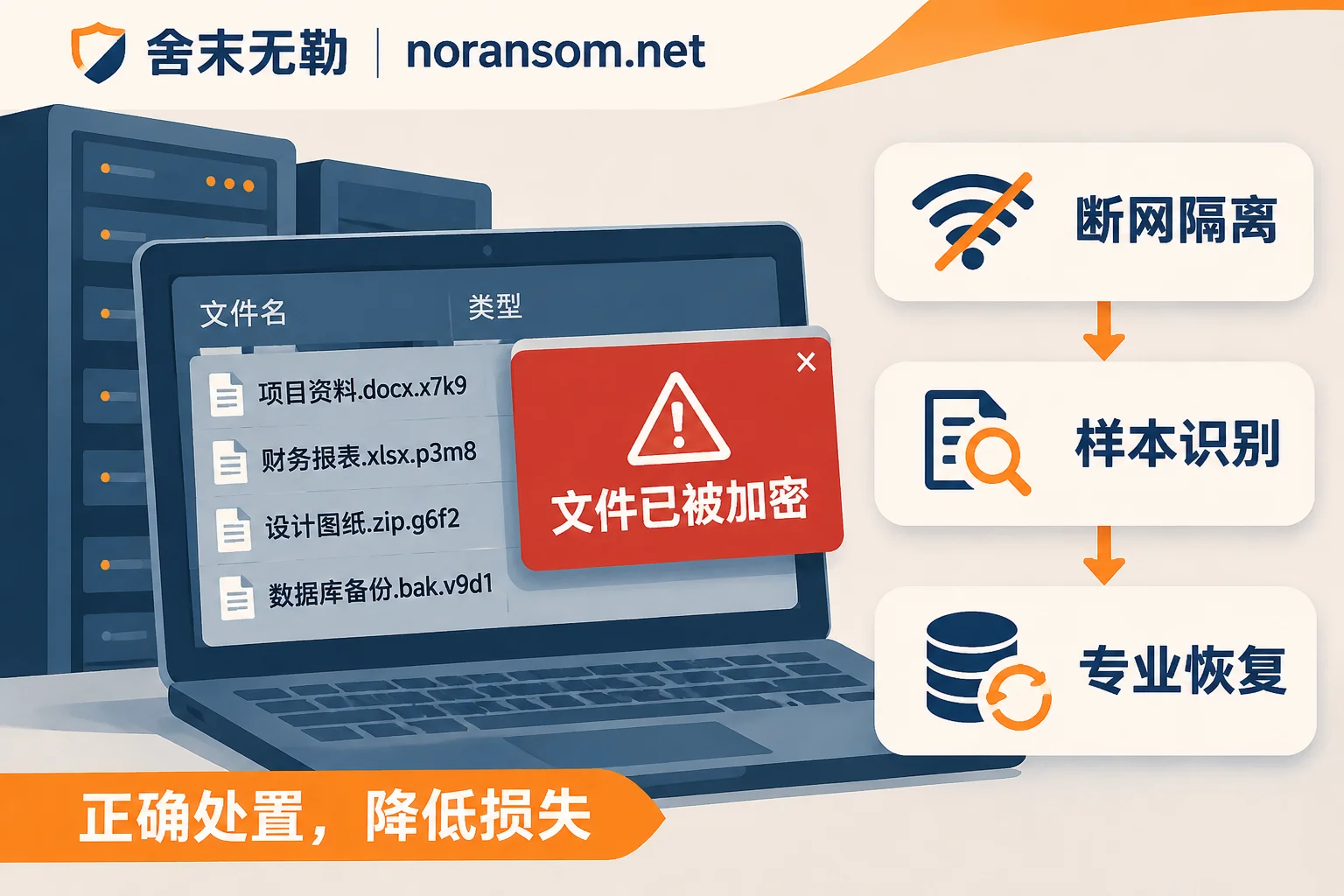
Enterprise Emergency Response: Complete Plan from Stop-Loss to Recovery
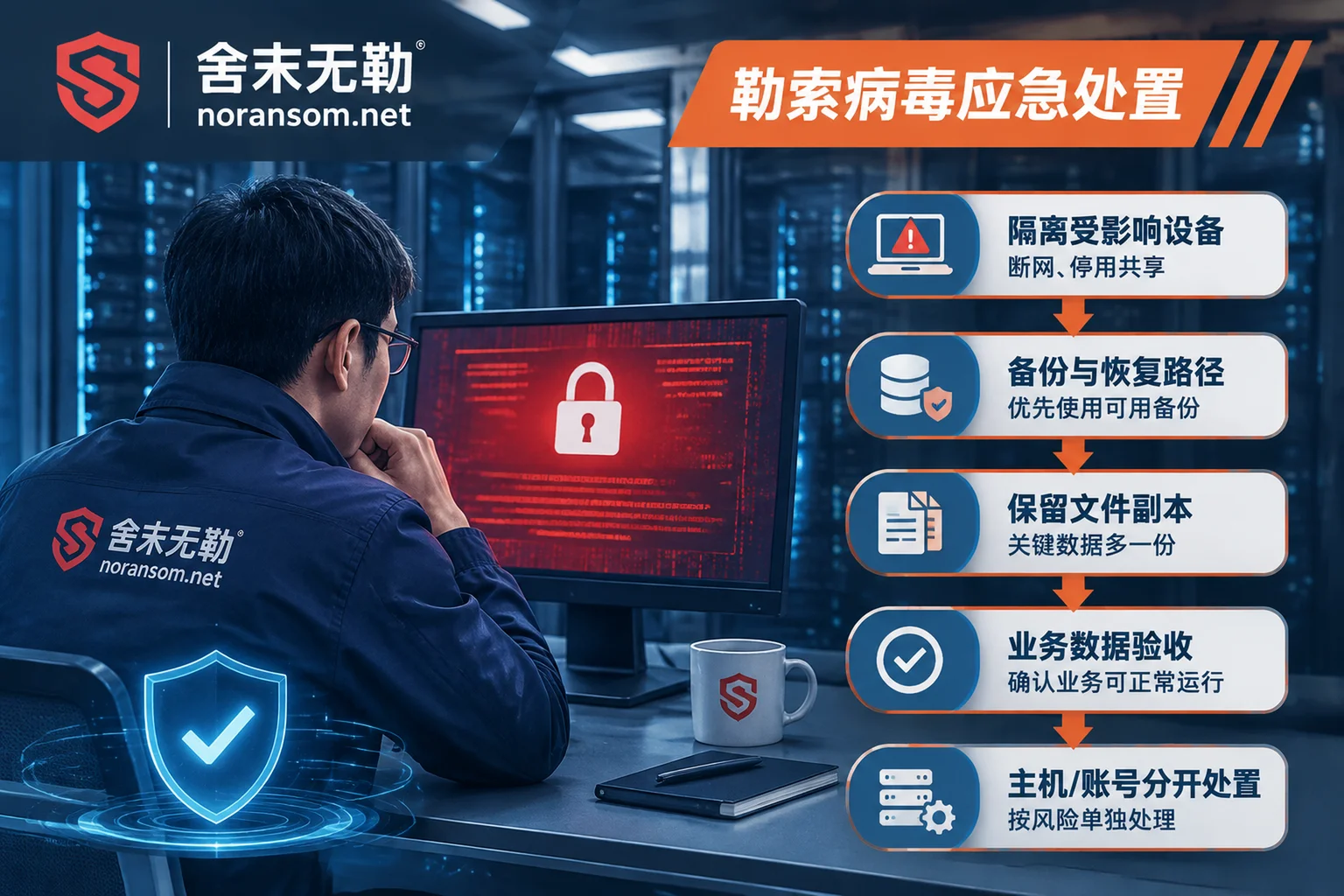
Once infection is confirmed, follow these professional procedures:
- Immediate Isolation: Physically disconnect the network to cut off lateral spread within the intranet. For detailed emergency steps, please refer to: What to Do If Hit by Ransomware: Complete Emergency Decision Checklist from First 30 Minutes Stop-Loss to Business Resumption.
- Accurate Identification: Use the free online tool to input the ransom note or encryption extension, quickly identify the family characteristics and current recoverability assessment.
- Expert Intervention and Assessment: For different environments such as databases, virtual machines, or NAS, She Mo Wu Le provides customized solutions based on underlying sector and residual analysis, rather than relying solely on decryption keys.
- Traceability and Hardening: After data recovery, be sure to perform backdoor cleanup and security hardening, close vulnerabilities, rebuild offline backups, and prevent resident methods left by hackers from triggering encryption again.
Conclusion
The disaster brought by ransomware is not only a technical challenge but also a test of business continuity. Enterprises should not rely on luck but establish a security mechanism of "prevention first, rapid response." Whether you are facing Weaxor, Mallox, or the latest variants, She Mo Wu Le always stands at the technical defense line, safeguarding your core assets.
If you are currently under a ransomware attack or highly suspect system compromise, please immediately visit the official website or seek emergency consultation through professional channels.


Comments(0)