Can Data Be Extracted from an Encrypted VMDK File? It Depends on How Much of the Flat Volume Is Overwritten
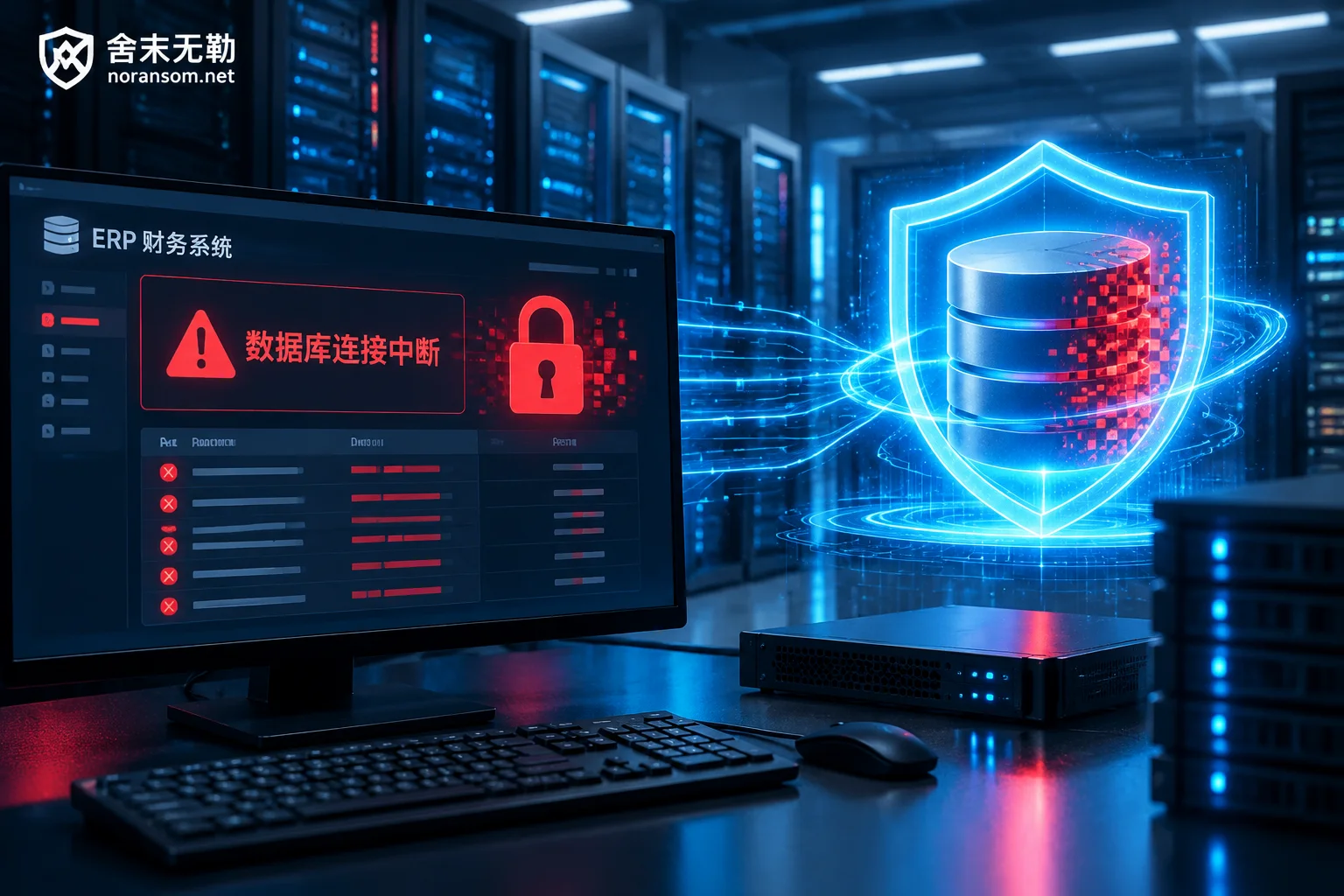
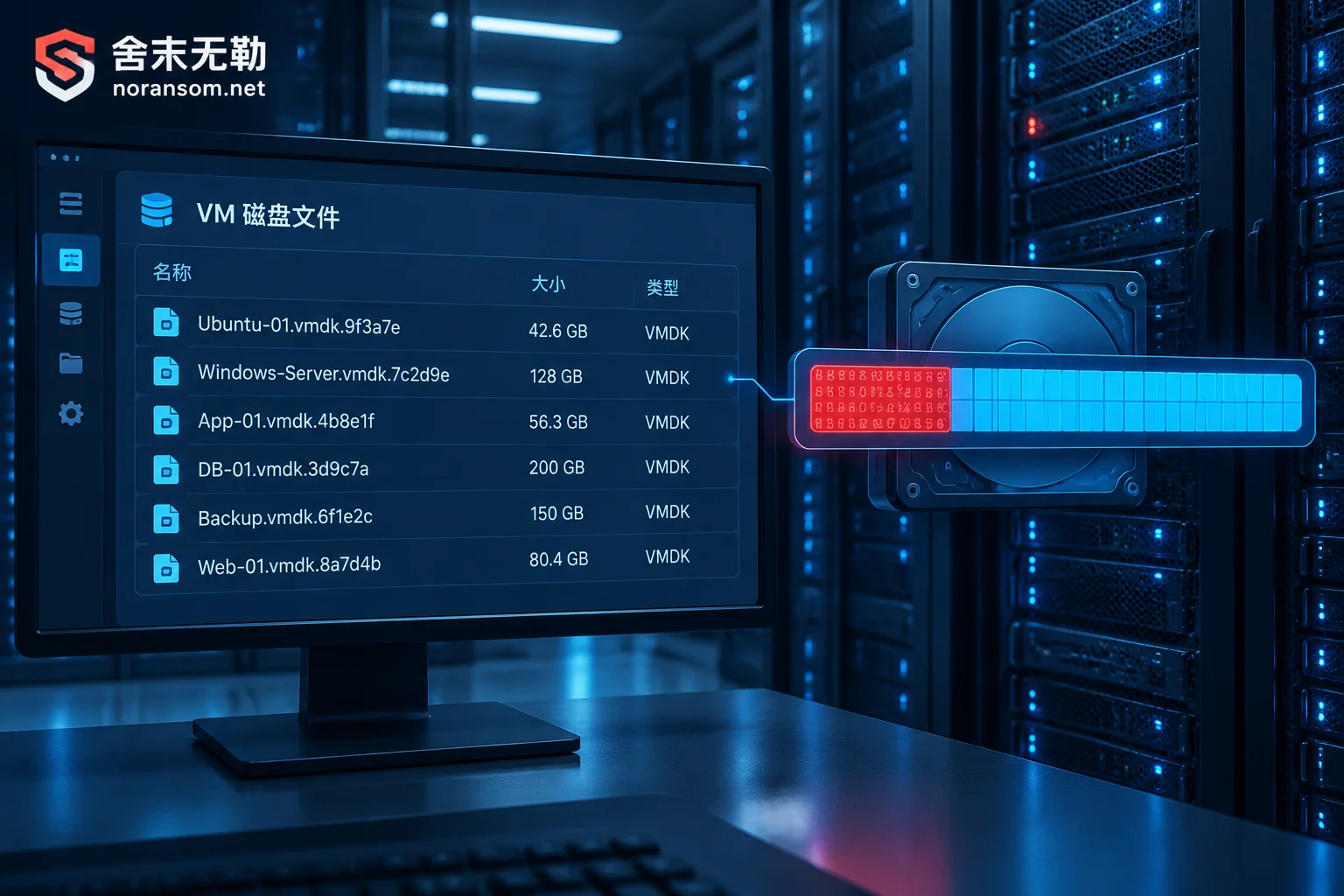
A virtual machine failing to boot does not mean all data is encrypted. This article explains the order for judging extractability after a VMDK is encrypted by ransomware: first isolate and make a read-only clone, then distinguish whether only the descriptor is encrypted, the flat volume header/intermittent encryption, or full-disk continuous encryption, and provides corresponding extraction paths, prohibited operations, and verification methods.
Unknown Remote Control Software Appears Automatically on Your Computer: First Disconnect Network and Unplug USB Tokens, Then Troubleshoot in This Orde
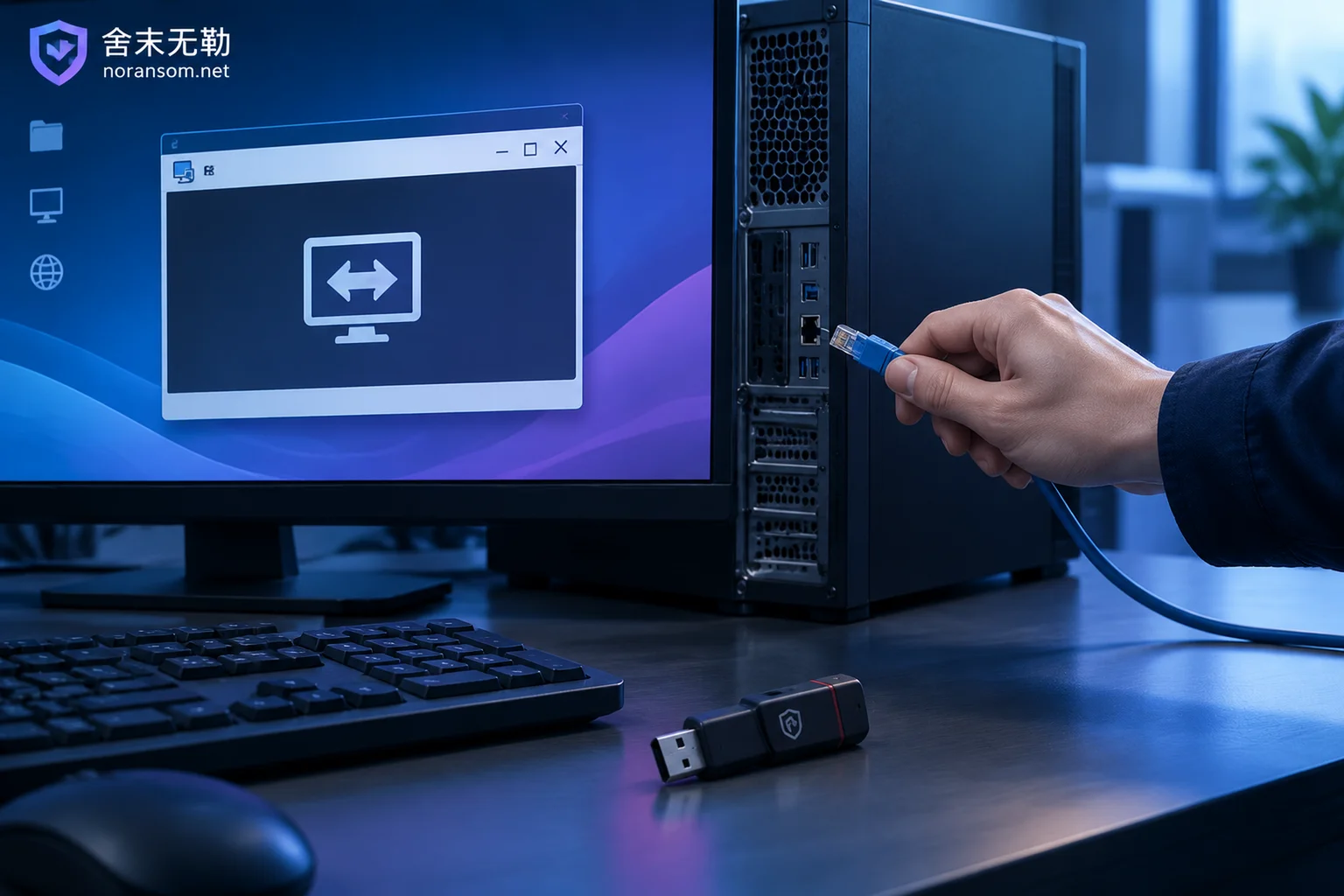
When remote control software you didn't install suddenly appears on your desktop or system tray, the first action is not to run a virus scan, but to physically disconnect the network, unplug USB tokens, and stop using any accounts on that machine. This article explains how to choose between keeping the computer on or shutting it down, how to verify who installed the remote control software, common reasons antivirus software doesn't flag it, the persistence locations that need to be checked item by item, and the separate process for handling accounts and funds that must be done on a different device.
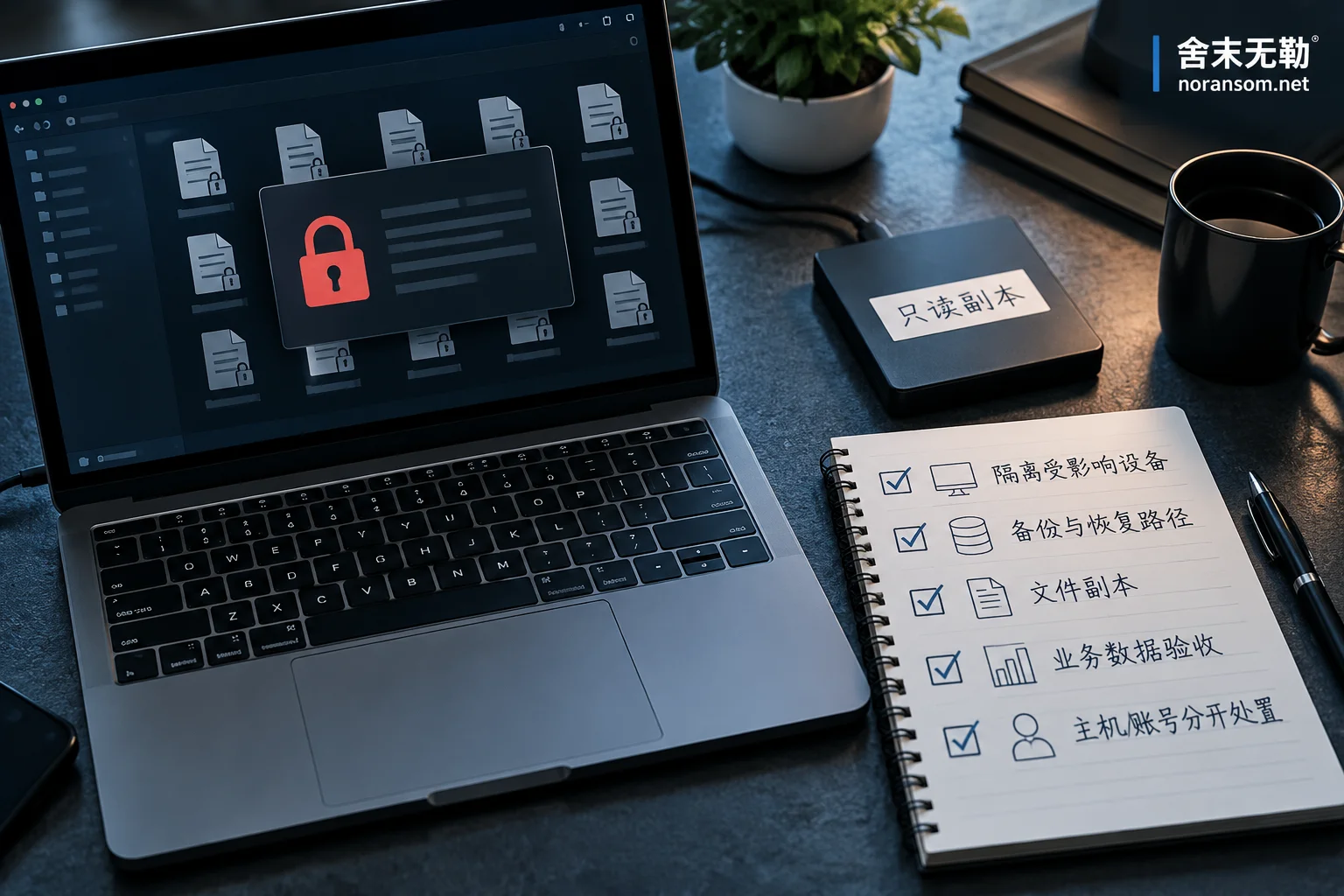
What to Prepare Before Contacting a Ransomware Recovery Company
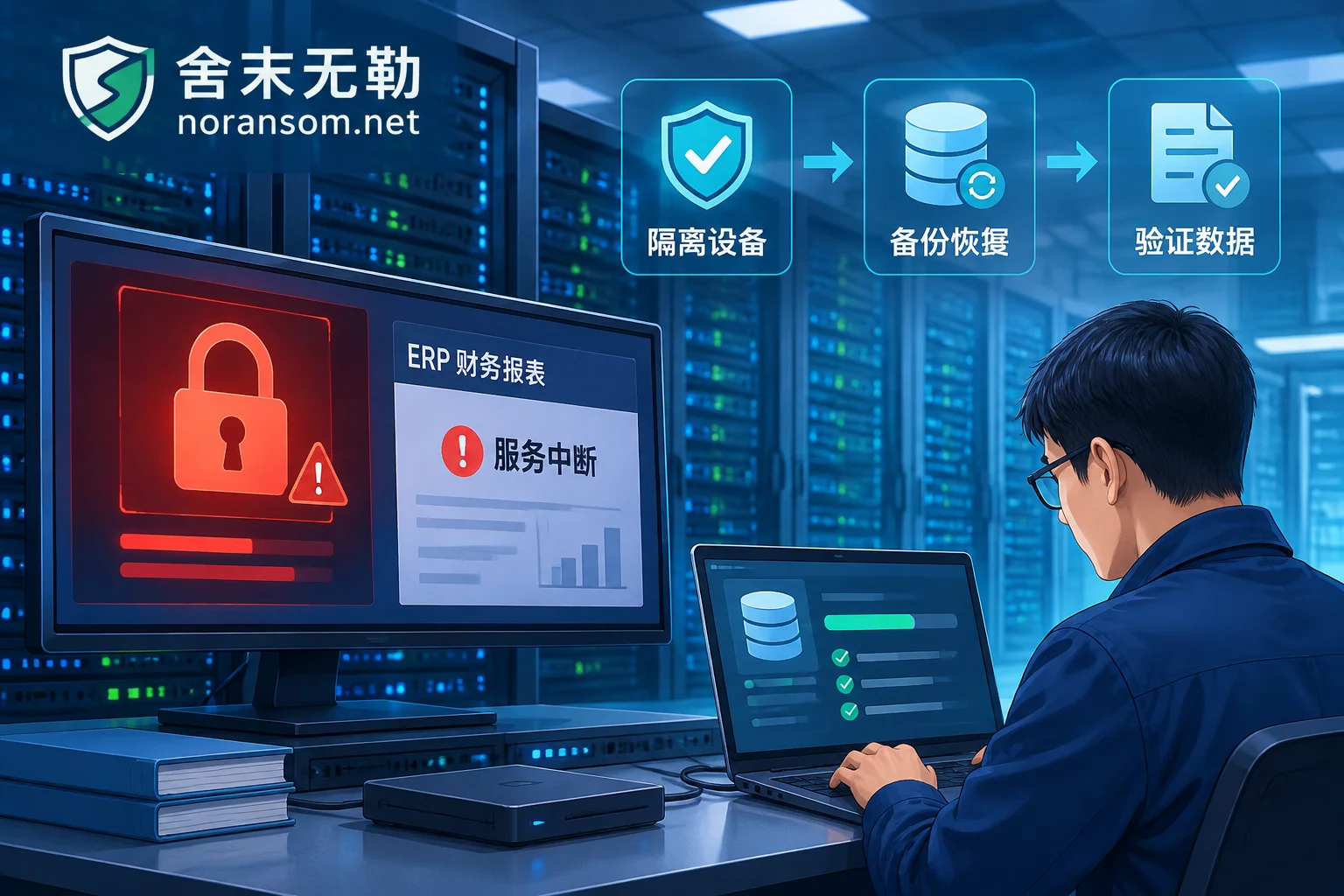
Ransomware recovery cannot be priced from a single statement that files were encrypted. This article explains the five types of materials usually needed before assessment and quotation: the original ransom note, a few small non-sensitive encrypted samples with unencrypted counterparts, the affected asset and database environment, backup and snapshot status, actions already taken after the incident, and how to sample without causing secondary damage or leaking sensitive data.
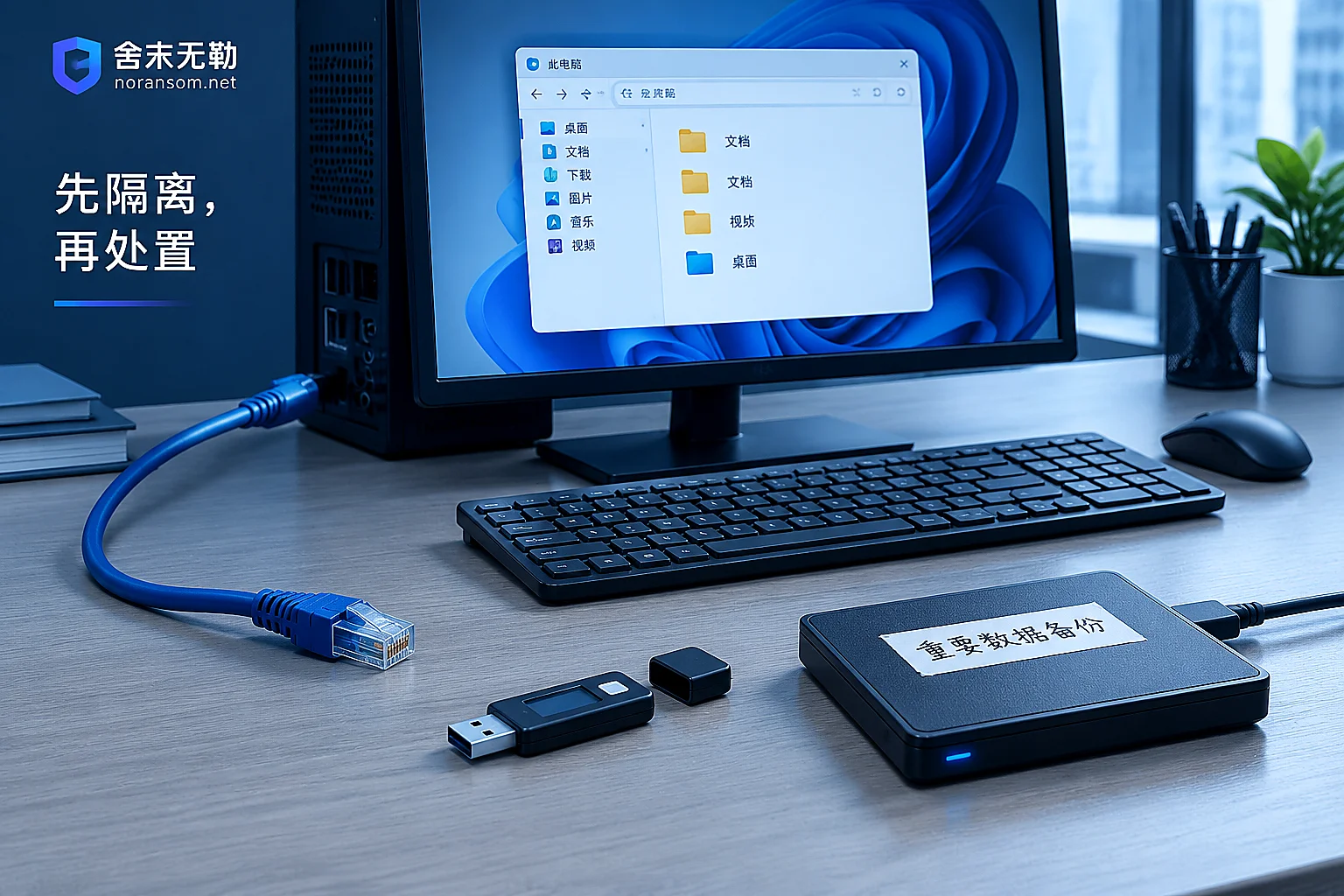
Hit by Silver Fox Trojan? Save These Four Things Before Reinstalling the System
Reinstalling the system clears local backdoors but also wipes the evidence of how you were infected, and it can't recover stolen credentials or sessions, so here are the four things to preserve first.
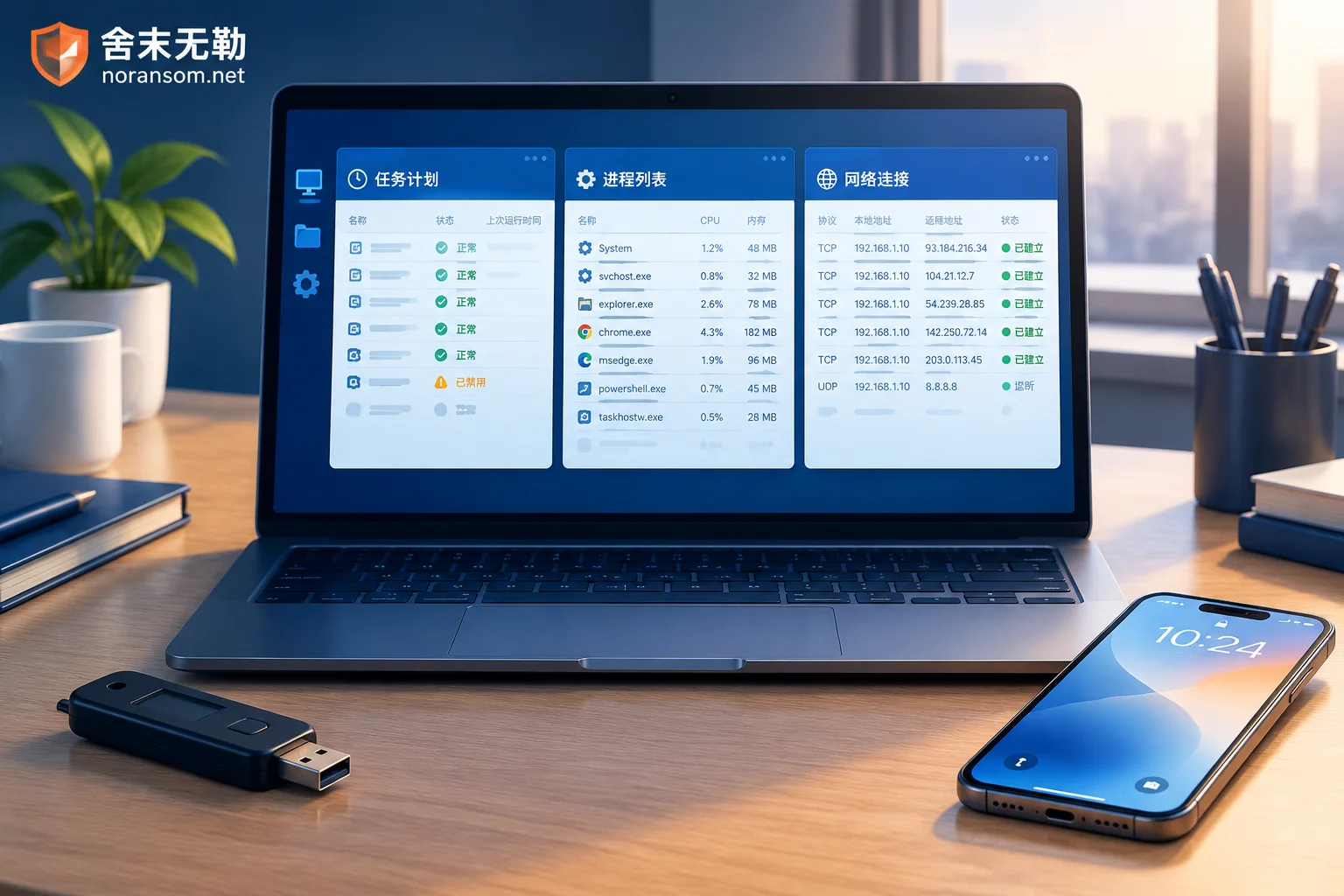
The Scope of a Silver Fox Trojan Cleanup: Seven Check Dimensions Plus Account and Financial Response
Silver Fox trojan cleanup is not just a full antivirus scan. This article explains the seven check dimensions a thorough investigation should cover—persistence, process and memory injection, C2 outbound connections, security software tampering, messaging app sessions, financial credentials and shadow accounts, and lateral spread—and why host remediation and account/fund response must be two separate, parallel tracks.