Ransomware Infection Already Rebooted: What to Do Now and What Recovery Options Remain
The machine has been rebooted, so in-memory traces and temporary keys are gone, but that doesn't mean all recovery paths are closed. This article explains the first isolation steps after a reboot, how to decide whether to power off again, why the original disk must be imaged first, and how to identify the family, inventory backups, and handle compromised credentials.

Ransomware: On-Site vs. Remote Response — How to Choose
Most ransomware incidents start with remote assessment; on-site response is required for physical media, very large data volumes, hardware faults, or forensic preservation.

Can an Encrypted SQL Server MDF Still Be Recovered? First See How Much Encryption Covers, Then Decide Your Path
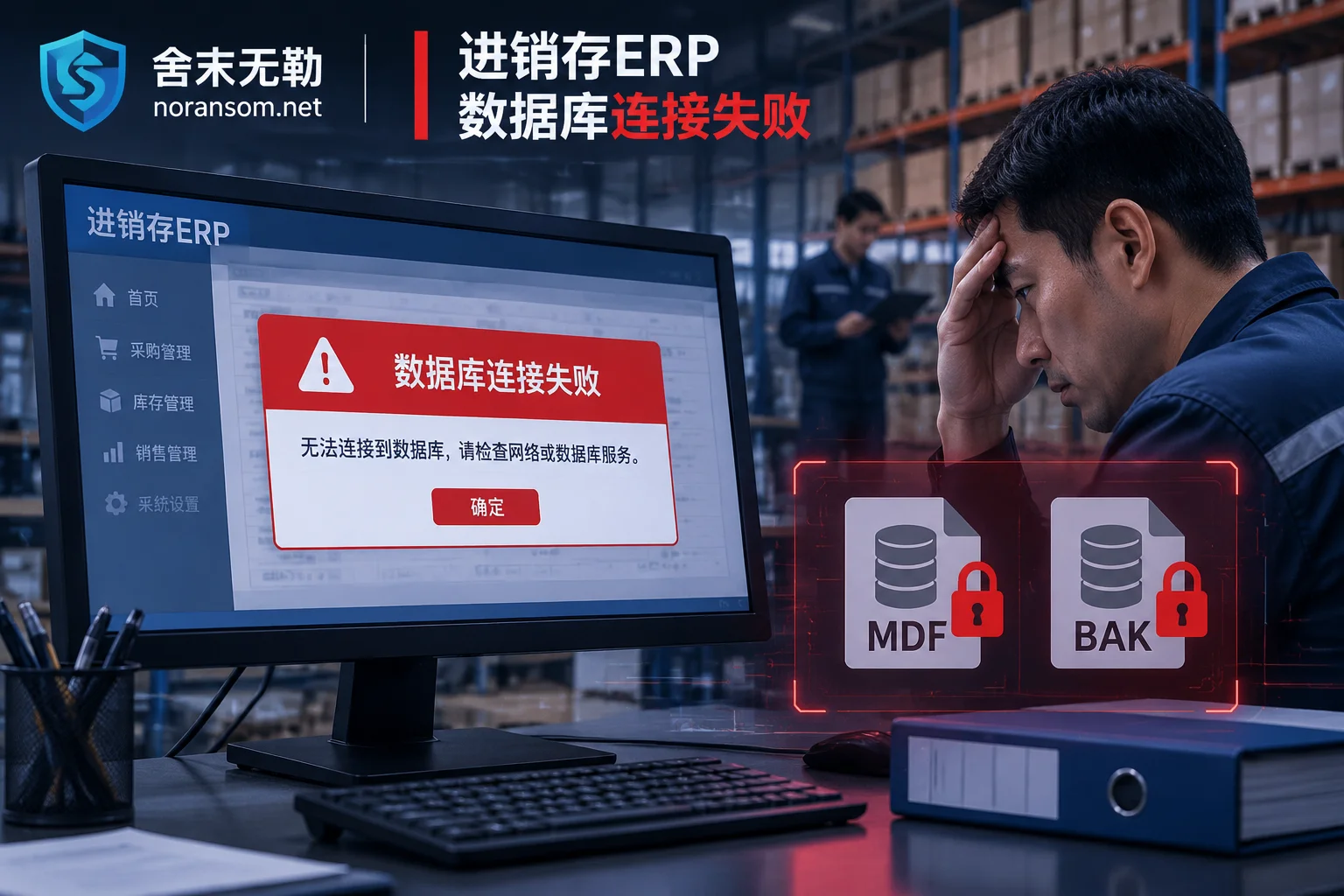
After ransomware encrypts an MDF, recovery depends mainly on how much of the file is encrypted, whether usable backups exist, and whether further damage occurs afterward. This article gives priority actions, methods to judge three encryption coverage scenarios, a ranked list of four recovery paths, and the operations most likely to destroy data.

Only a Ransom Note Left: How to Determine If Encrypted Files Can Be Decrypted
Even if the malware has self-deleted and only a ransom note remains, you can still make a reasonable assessment. This article explains the five types of clues in a ransom note to identify the family, how to check public platforms for free decryption tools, why finding a tool doesn't guarantee your files can be decrypted, and what evidence to gather if no conclusion is reached, plus remaining recovery paths that don't rely on decryption.

Server Encrypted by Ransomware with No Backup: Stop the Bleeding First, Then Assess Remaining Recovery Paths
When a server is encrypted and no usable backup exists, the priority is not finding a decryption tool but isolating, checking whether encryption is ongoing, and preserving original encrypted files. This article gives the action order for the first few hours, how to inventory overlooked residual copies, and the conditions for three non-ransom paths: public decryptors, key implementation flaws, and database fragment extraction.