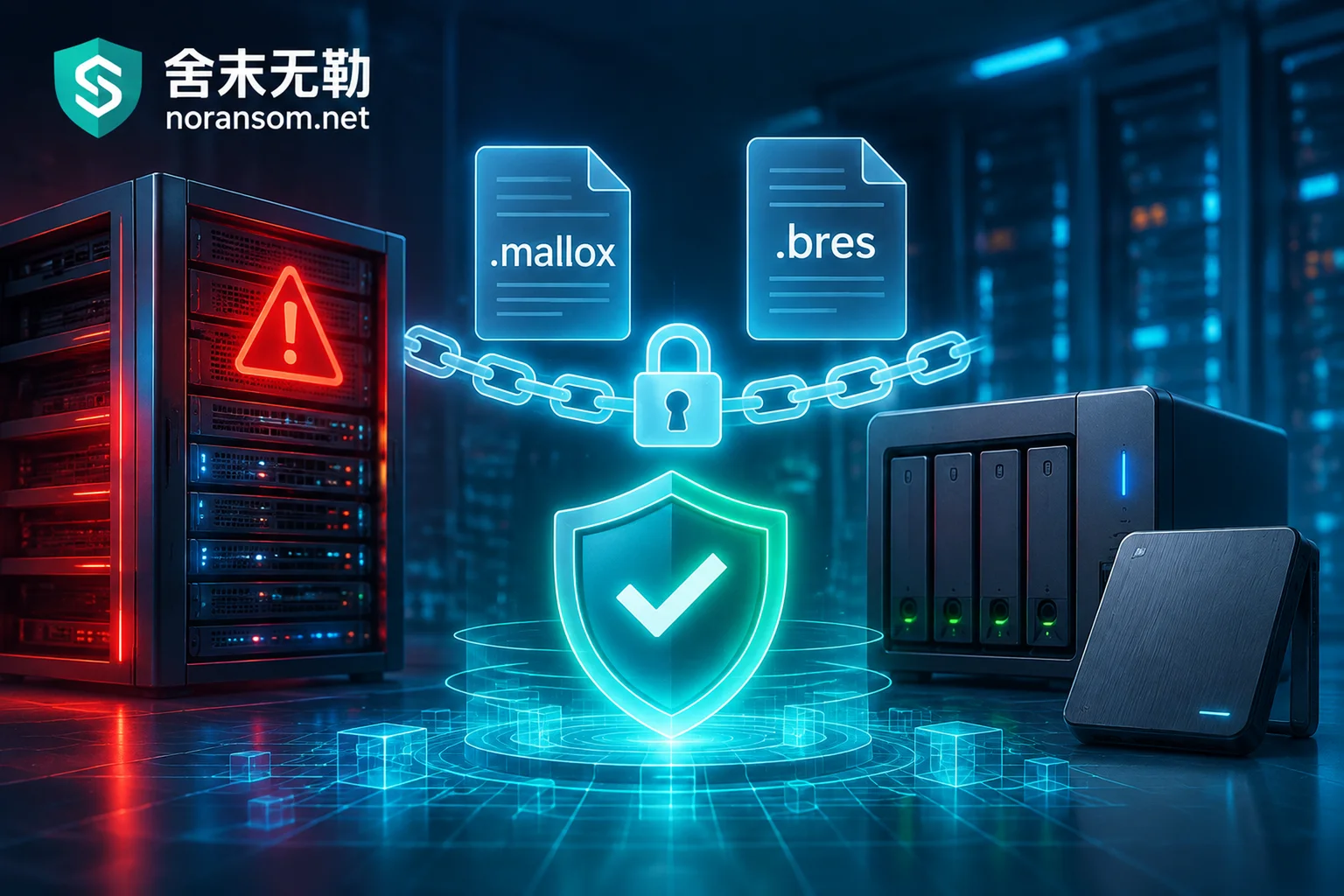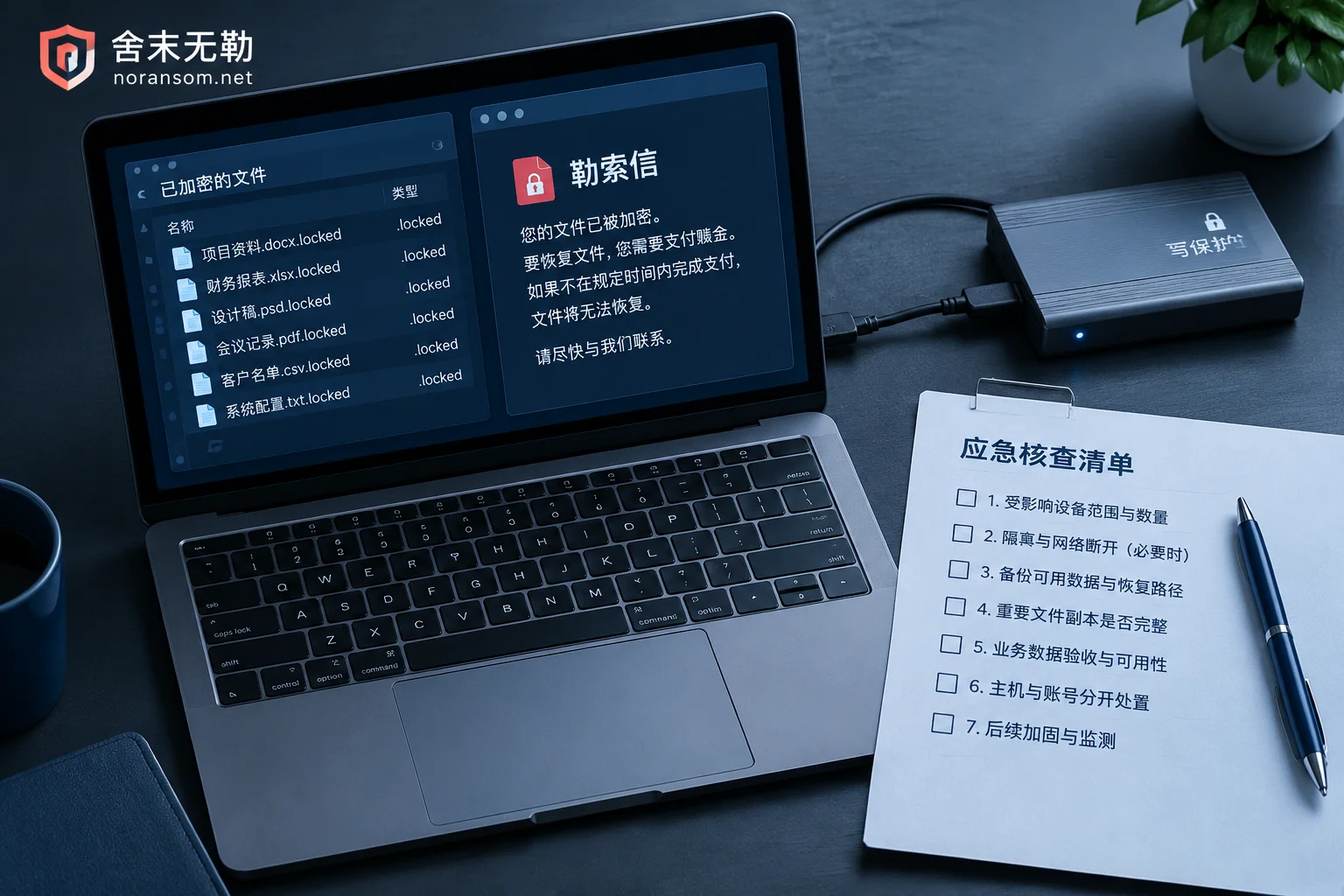
Choosing a Ransomware Decryption Company: How to Tell If Their Plan Is Reliable
After a ransomware attack, the biggest risk when choosing a third-party recovery vendor isn't the price—it's vague technical claims, operating directly on your only original disk, unclear acceptance criteria, and disguised ransom payments. This article covers four checkpoints and questions you can ask directly.
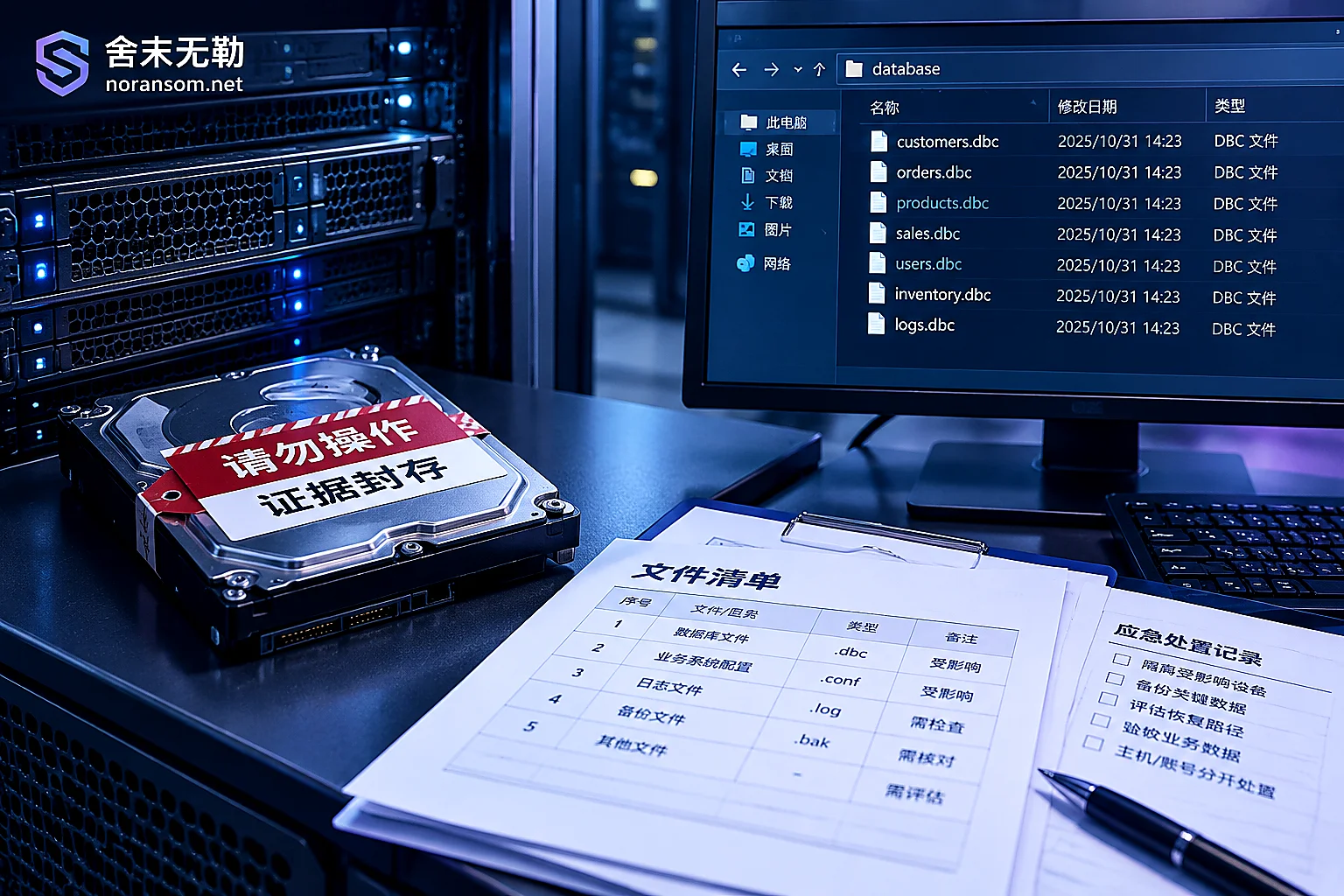
Which Files to Keep After a Yonyou Database Is Encrypted: Delete These and They're Gone for Good
After a Yonyou account set is encrypted by ransomware, what determines how much can be recovered is often not antivirus software but whether you kept the right files. This article provides a checklist of files that must be preserved (data files, logs, UFSystem system database, historical backups, ransom notes and sample pairs, system and database logs), explains correct preservation methods, several actions that directly destroy recovery chances, and how to determine the recovery path after preservation.
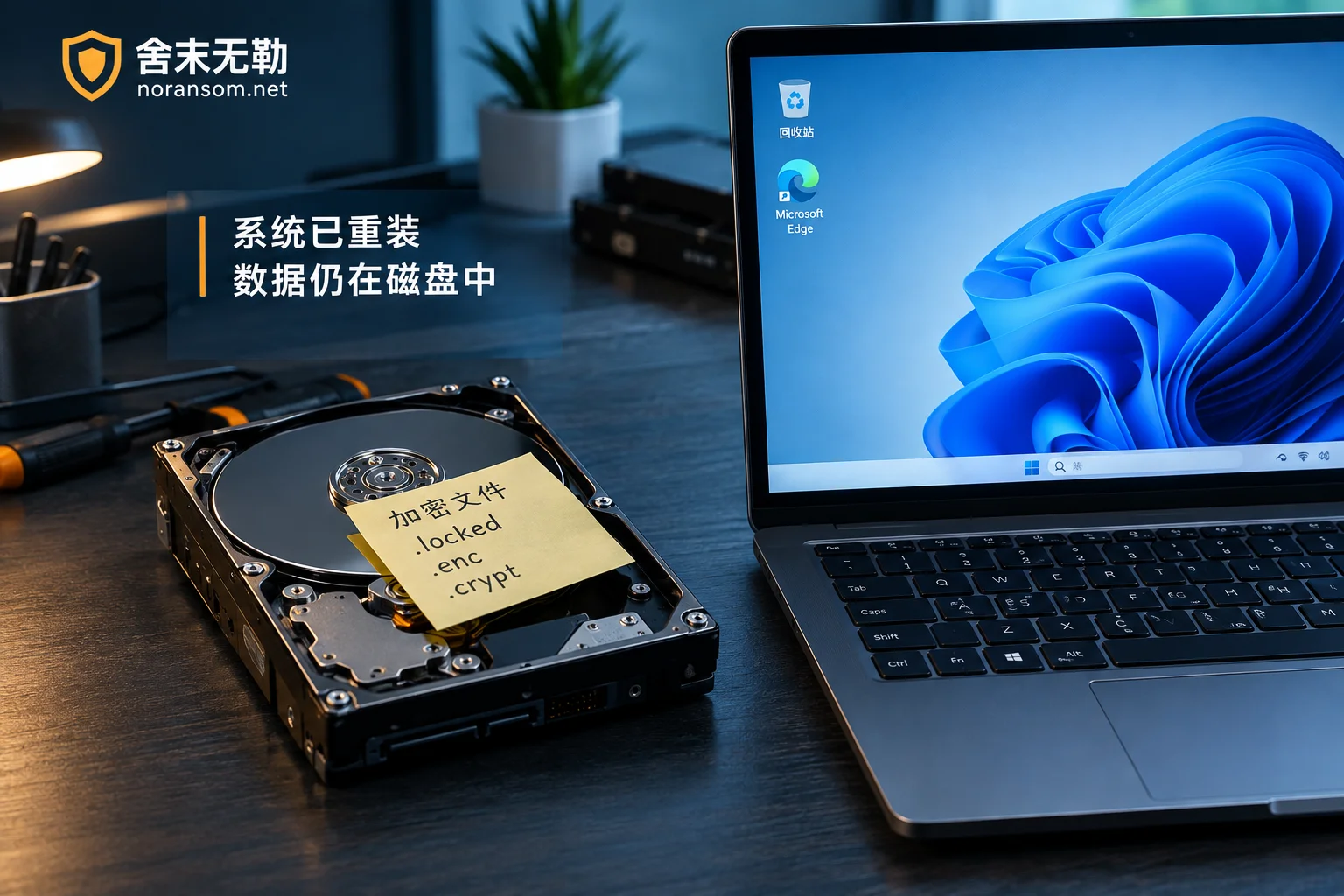
Reinstalled the System After a Ransomware Attack? Can Encrypted Files Still Be Recovered? First, Check Which Disk You Formatted
Reinstalling the OS only removes the malware, not the encryption. Recovery depends on which disks were overwritten, whether an unaffected backup exists, and whether you can still find the ransom note and encrypted samples to identify the family. This article provides the stop-loss order after reinstallation, recovery possibilities by scenario, and what to check before reconnecting to the network.
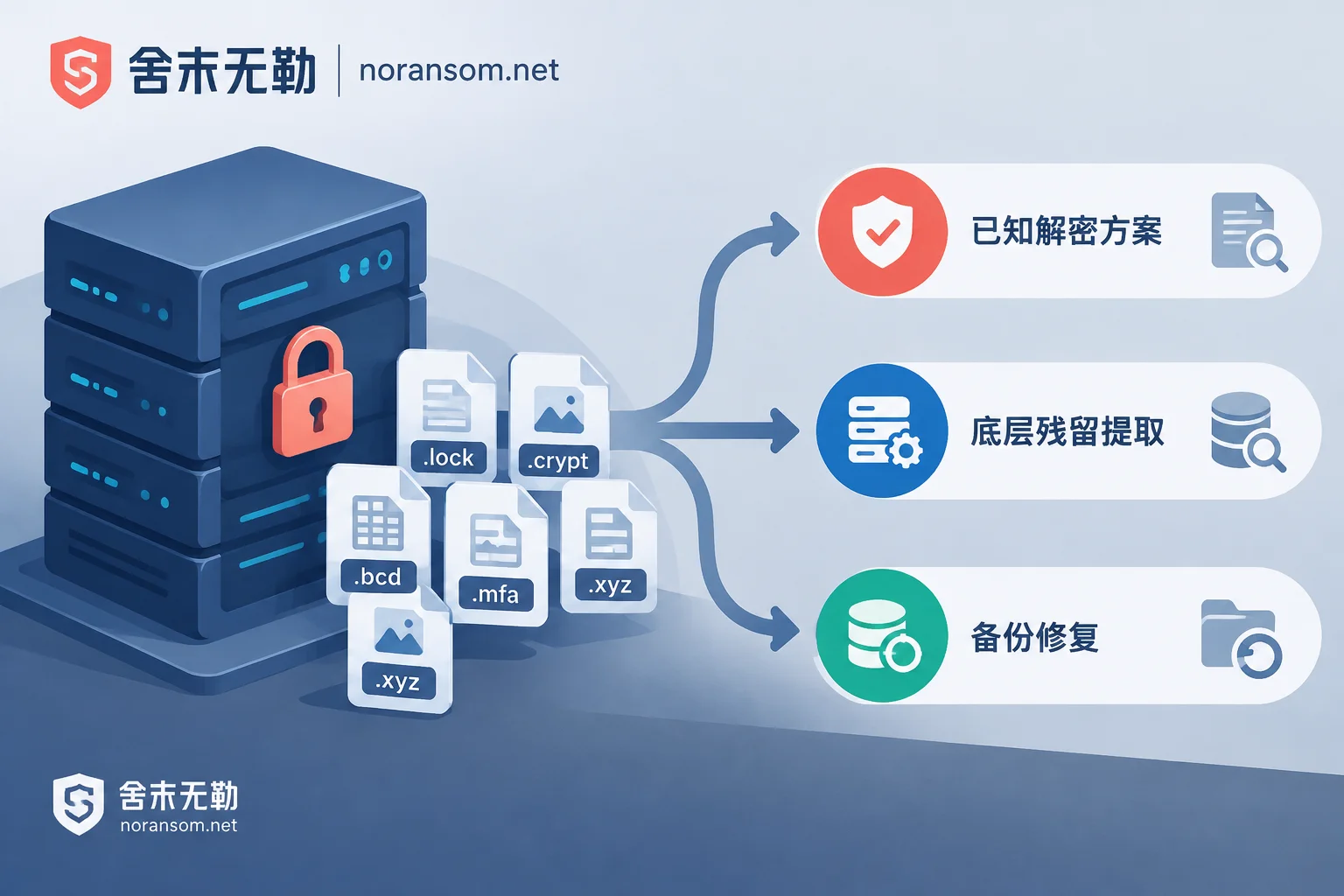
Why Ransomware Recovery Services Can't Quote a Flat Fee: Key Cost Variables
Ransomware data recovery has no standard price list; quotes depend on post-assessment technical path, affected system type and scale, service scope, and remote or on-site delivery. This article explains how each variable affects workload, lists preparatory steps you can take before contacting a provider that directly impact cost, and shows how to spot black-box quotes that skip assessment or promise full recovery.
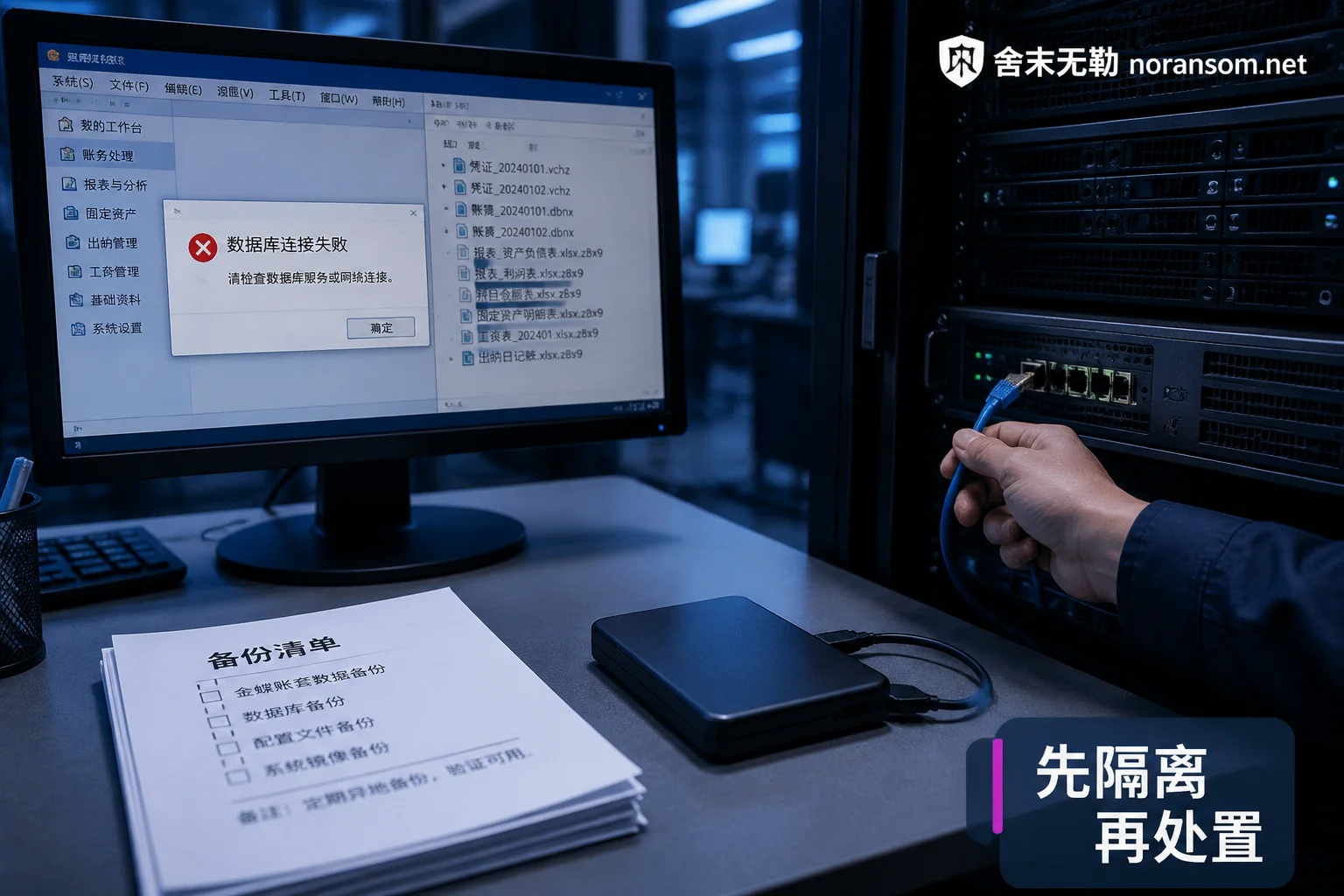
How to Restore Kingdee Accounting Data After Ransomware Encryption: From Containment to Rebuilding the Server
When Kingdee KIS, K/3 WISE, or Cloud Galaxy servers are encrypted by ransomware, first isolate and stop writing to the original disk, then inventory all backup copies; if no usable backup exists, there are still two paths: family identification and decryption feasibility assessment, and low-level database residual extraction. This article explains each step's judgment conditions, operations that easily destroy data, and how finance should reconcile after rebuilding the Kingdee server in a clean environment.