How to Investigate Other Office Computers After One PC Is Infected with the Silver Fox Trojan: First Obtain the Spread List, Then Check Each Machine f
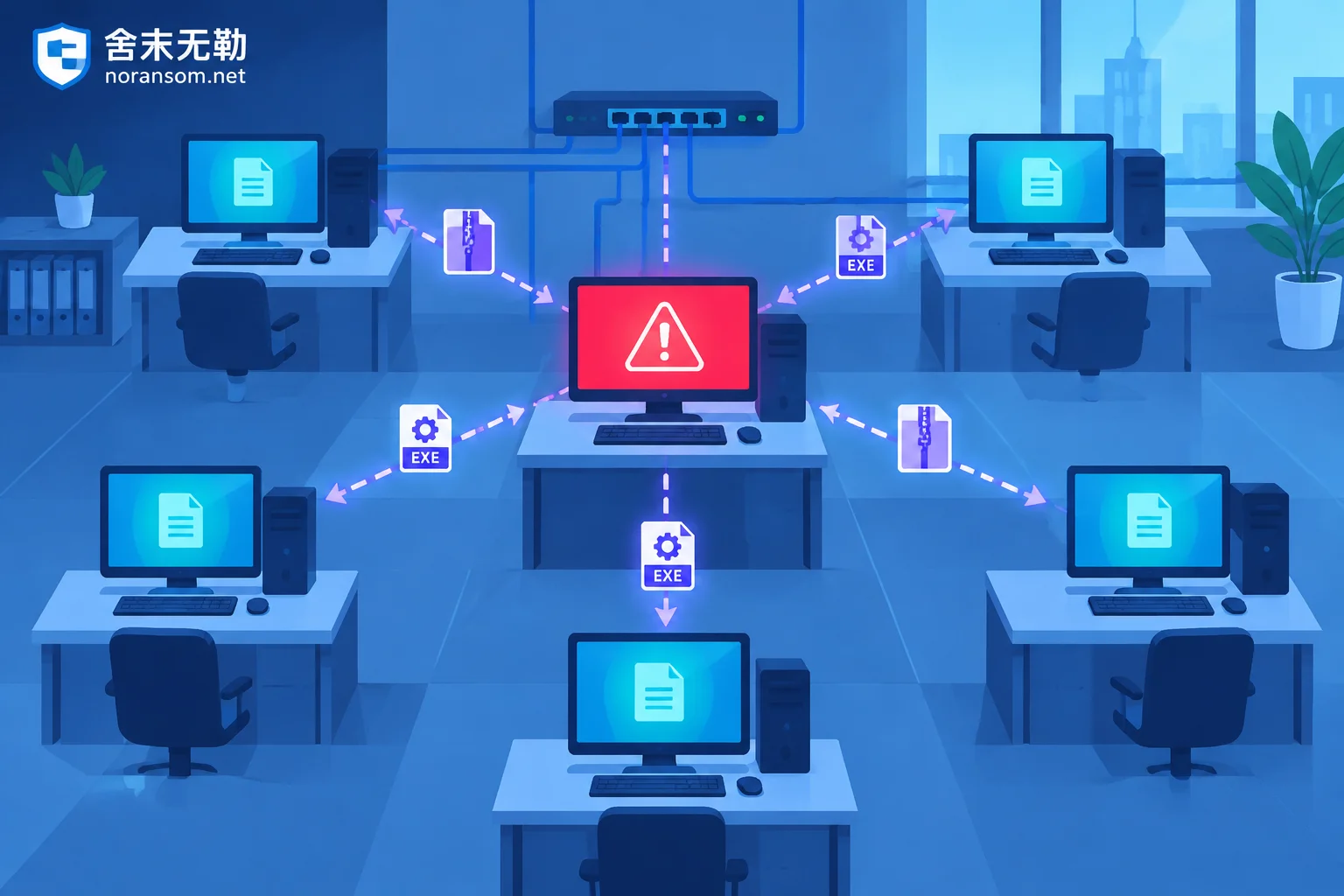
The Silver Fox Trojan spreads in office networks mainly by taking over the victim's logged-in WeChat, DingTalk, QQ, and corporate email to send files to colleagues, not by scanning for intranet vulnerabilities. Therefore, the starting point for investigating other computers is to extract from the infected machine 'who was sent what file and when', then check each machine on the list for file drop traces, processes and security software status, and startup items, and handle host remediation, account sessions, and financial risks separately.
Multiple Computers Encrypted Simultaneously: Which to Handle First? Prioritize by Spread Risk, Not Urgency
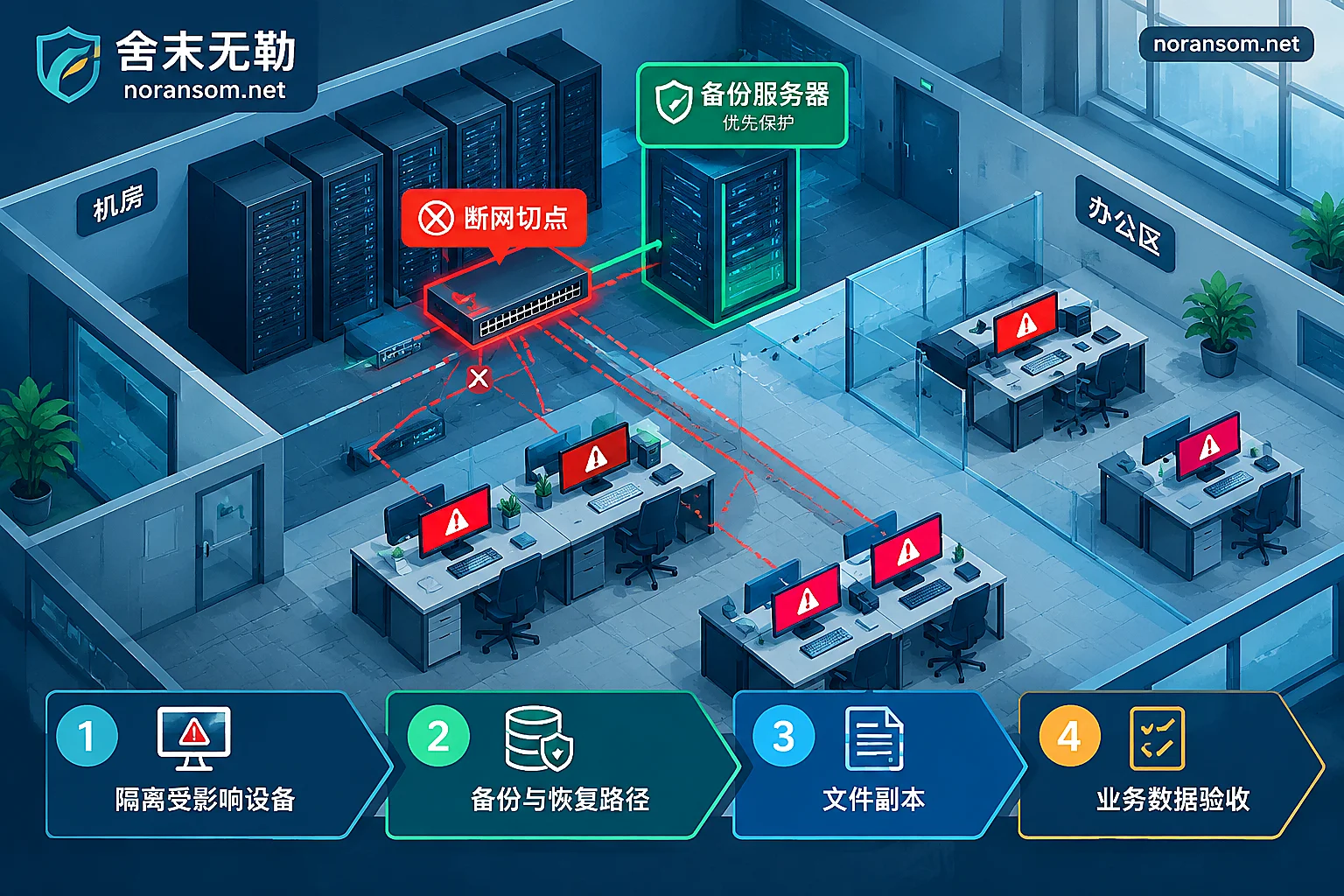
When multiple machines on the internal network are hit by ransomware simultaneously, the order of response is not based on which machine has the worst damage, but on containing the spread, securing backups, cutting off the domain control and management plane, rescuing databases still being encrypted, and finally handling office computers that are completely locked. This article provides a four-level priority order, network disconnection methods for different network scales, trade-offs between shutdown and disconnection, and what must be preserved for each type of machine.

After Silver Fox Trojan Cleanup: How to Confirm Your Accounts Are Truly No Longer Controlled
A 'threat removed' message from antivirus doesn't mean the attacker's login sessions, authorization codes, and forwarding rules are invalidated. This article provides checklists across four areas—trusted devices, account sessions, host remnants, and financial/business operations—to verify no control remains, and explains which signs indicate ongoing compromise and when to reinstall or seek expert help.
What to Prepare Before Contacting a Ransomware Recovery Company
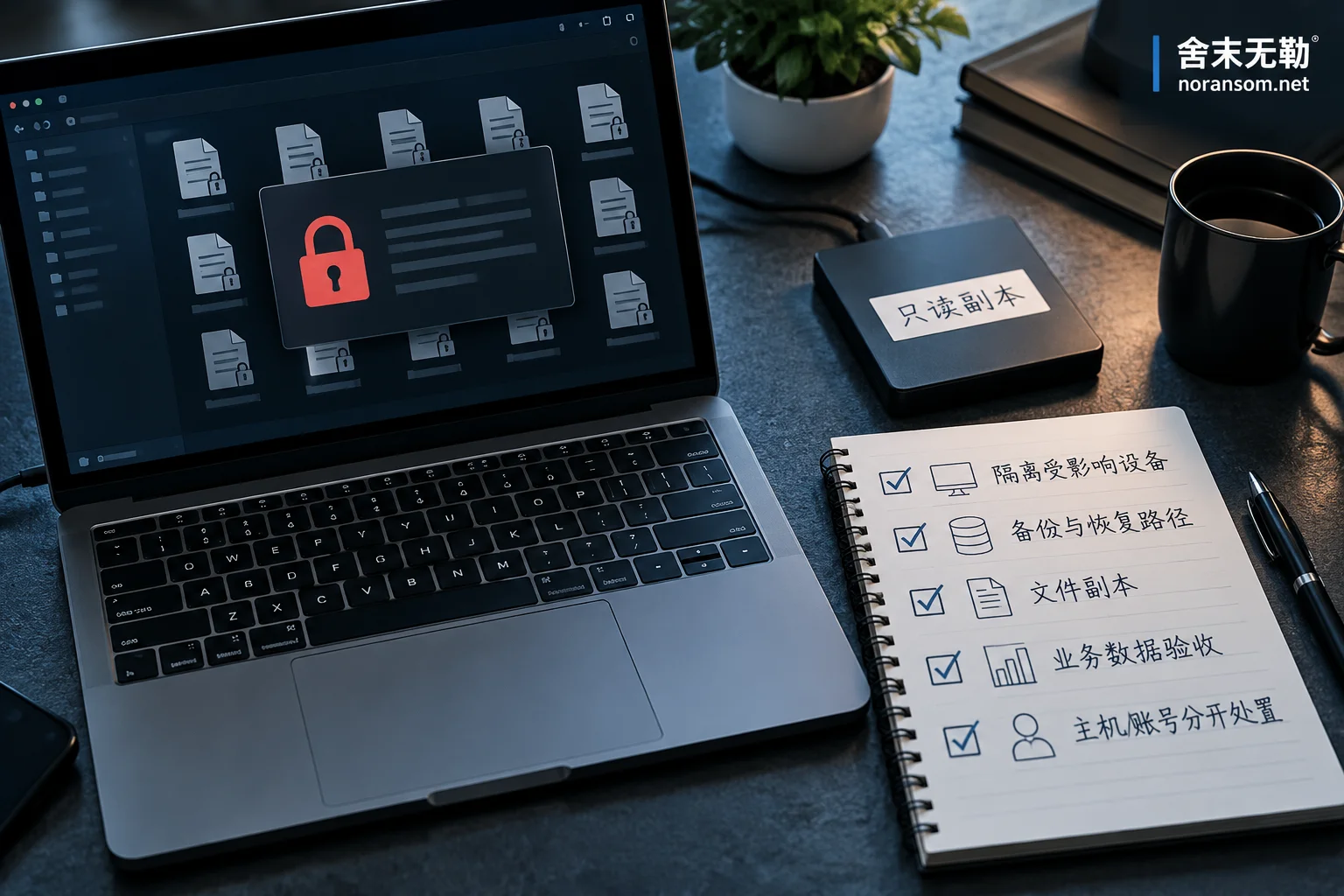
Ransomware recovery cannot be priced from a single statement that files were encrypted. This article explains the five types of materials usually needed before assessment and quotation: the original ransom note, a few small non-sensitive encrypted samples with unencrypted counterparts, the affected asset and database environment, backup and snapshot status, actions already taken after the incident, and how to sample without causing secondary damage or leaking sensitive data.
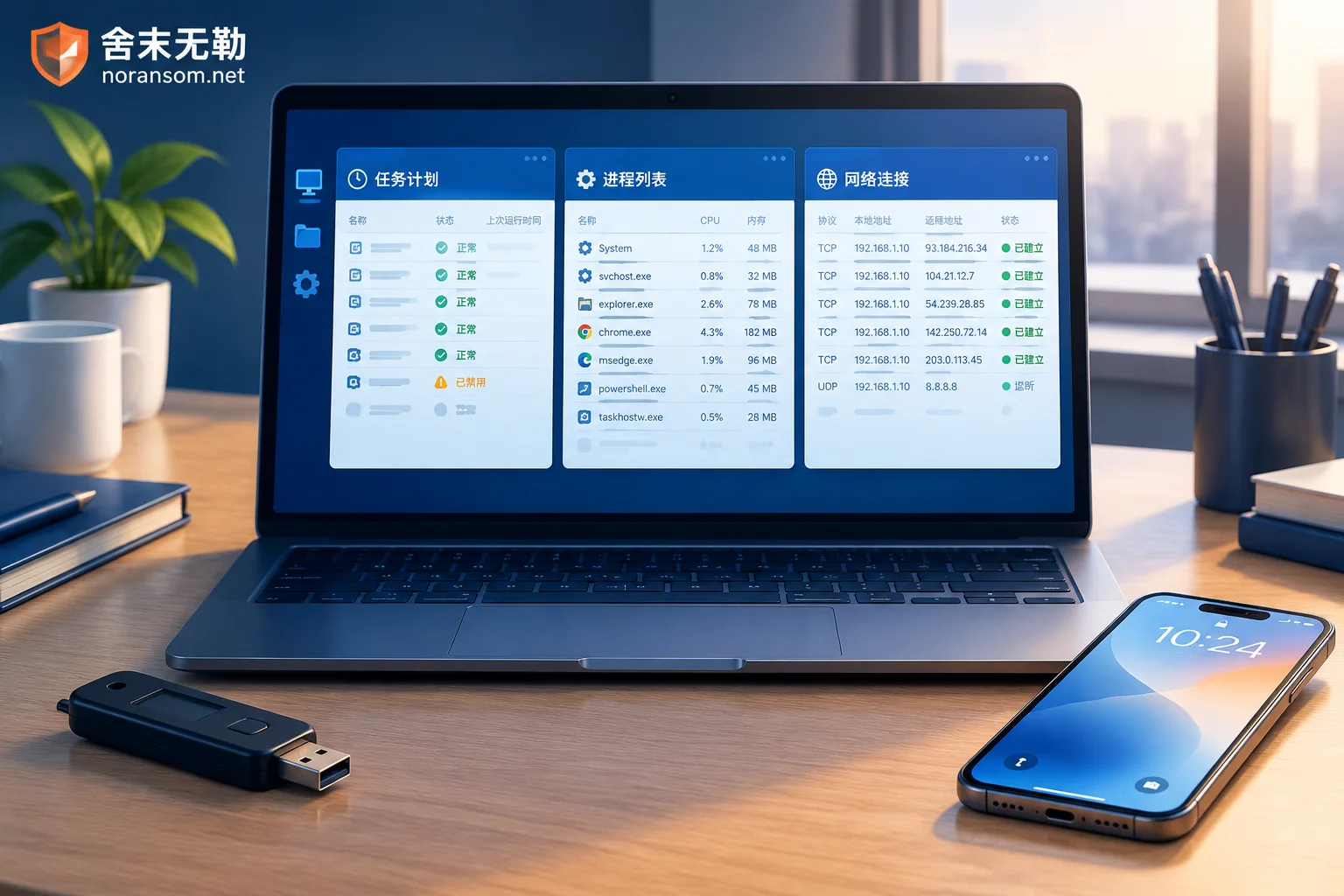
The Scope of a Silver Fox Trojan Cleanup: Seven Check Dimensions Plus Account and Financial Response
Silver Fox trojan cleanup is not just a full antivirus scan. This article explains the seven check dimensions a thorough investigation should cover—persistence, process and memory injection, C2 outbound connections, security software tampering, messaging app sessions, financial credentials and shadow accounts, and lateral spread—and why host remediation and account/fund response must be two separate, parallel tracks.