只是一个默认分类
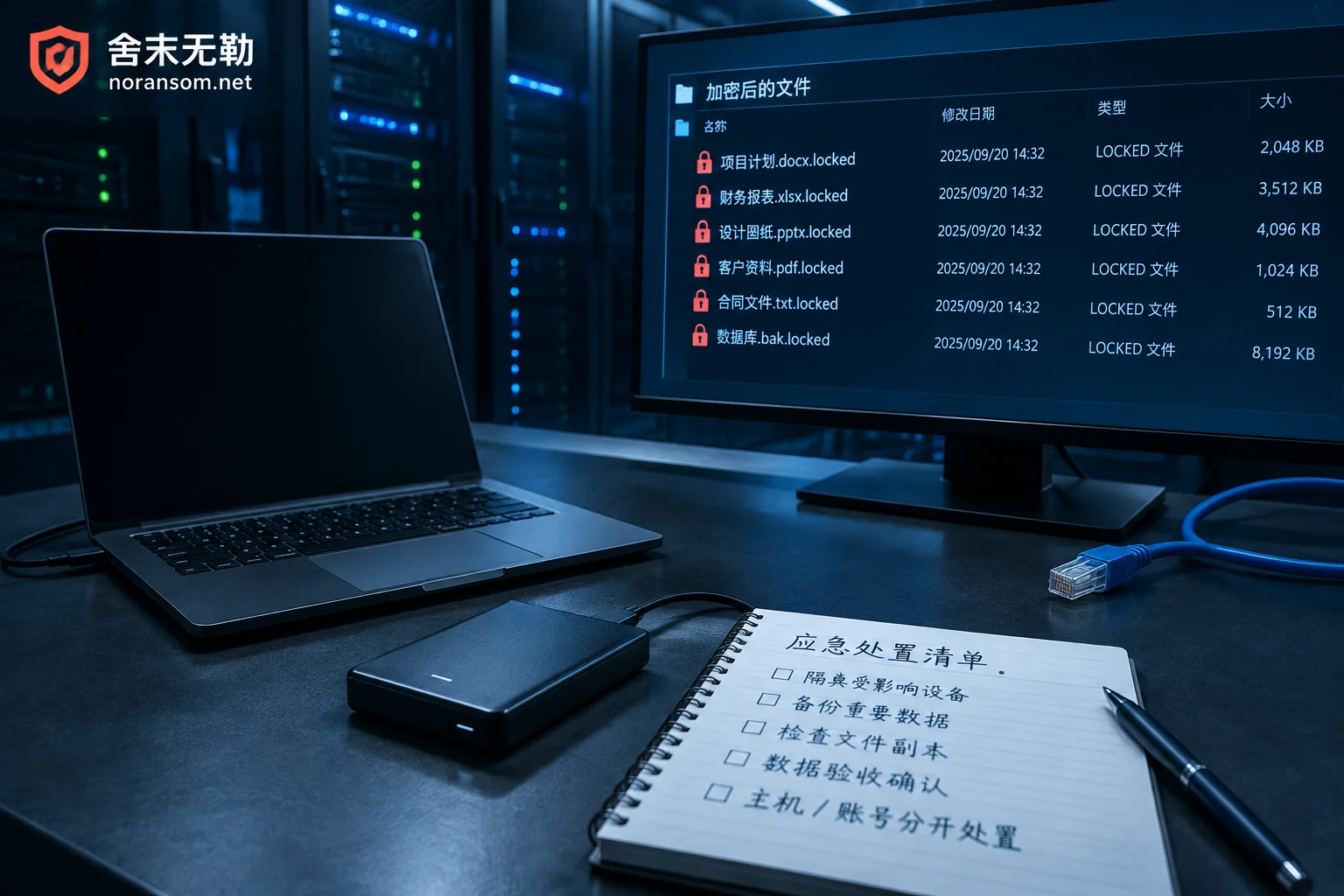
What to Prepare Before Remote Ransomware Emergency Response: 6 Preparations Before Access
During the wait for remote technical support after files are encrypted, making the right preparations can determine how much can still be recovered. This article explains by priority how to define the isolation scope, how to decide whether to shut down, which ransom notes and samples must be preserved as-is, why backups must be disconnected first, how to set up a clean jump host and remote channel, and what account and fund handling materials to prepare when a remote access trojan is also involved.
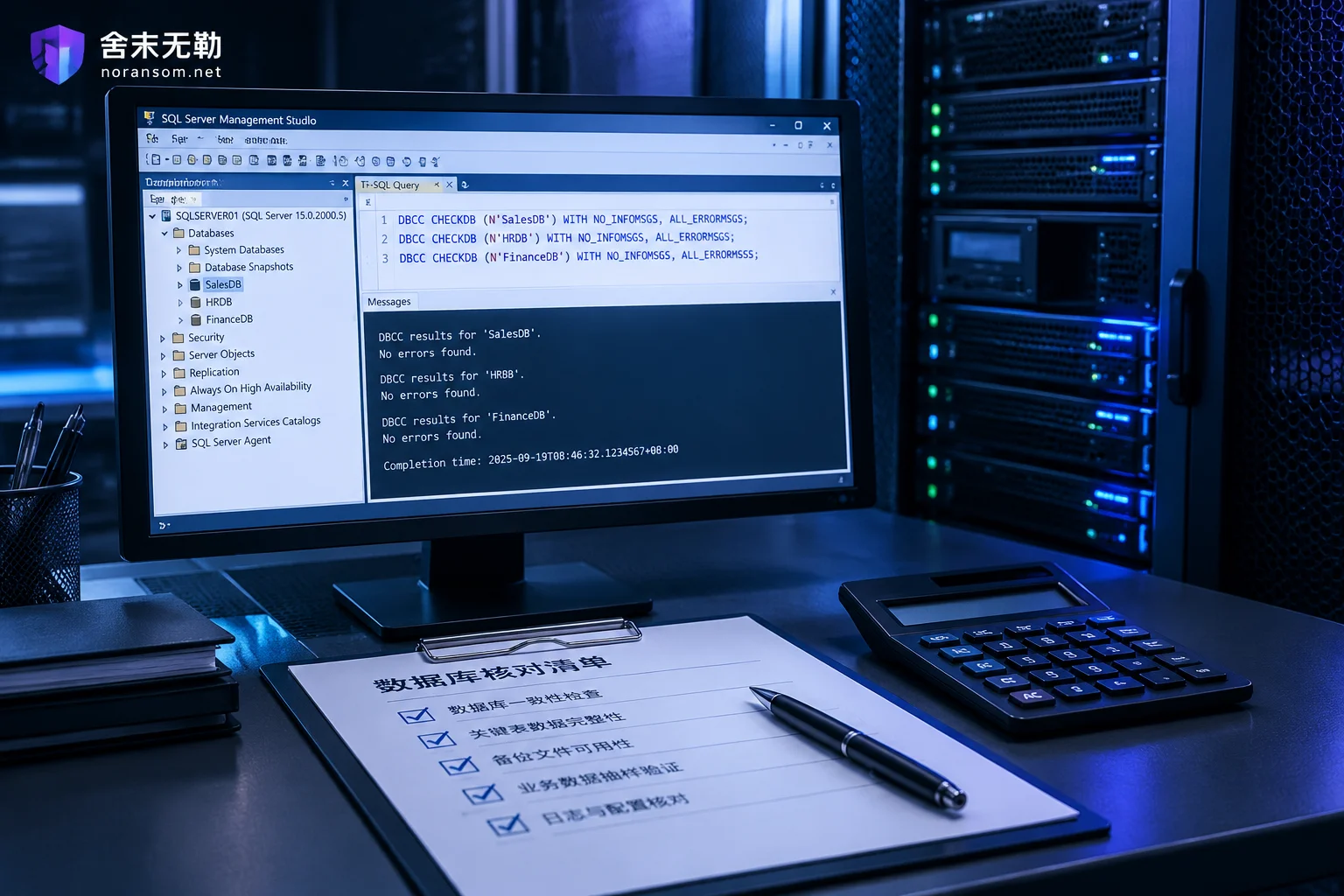
Is Your SQL Server Ready After Recovery? Five-Step Verification from CHECKDB to Financial Reconciliation
A successful database attach and service start do not guarantee complete and usable business data. This article outlines a five-step verification sequence after ransomware or severe failure: first perform engine-level consistency checks on a copy, then examine constraints and orphan records, logins and permissions, recovery point-in-time, and finally have business and finance staff reconcile and test in an isolated environment before going live.
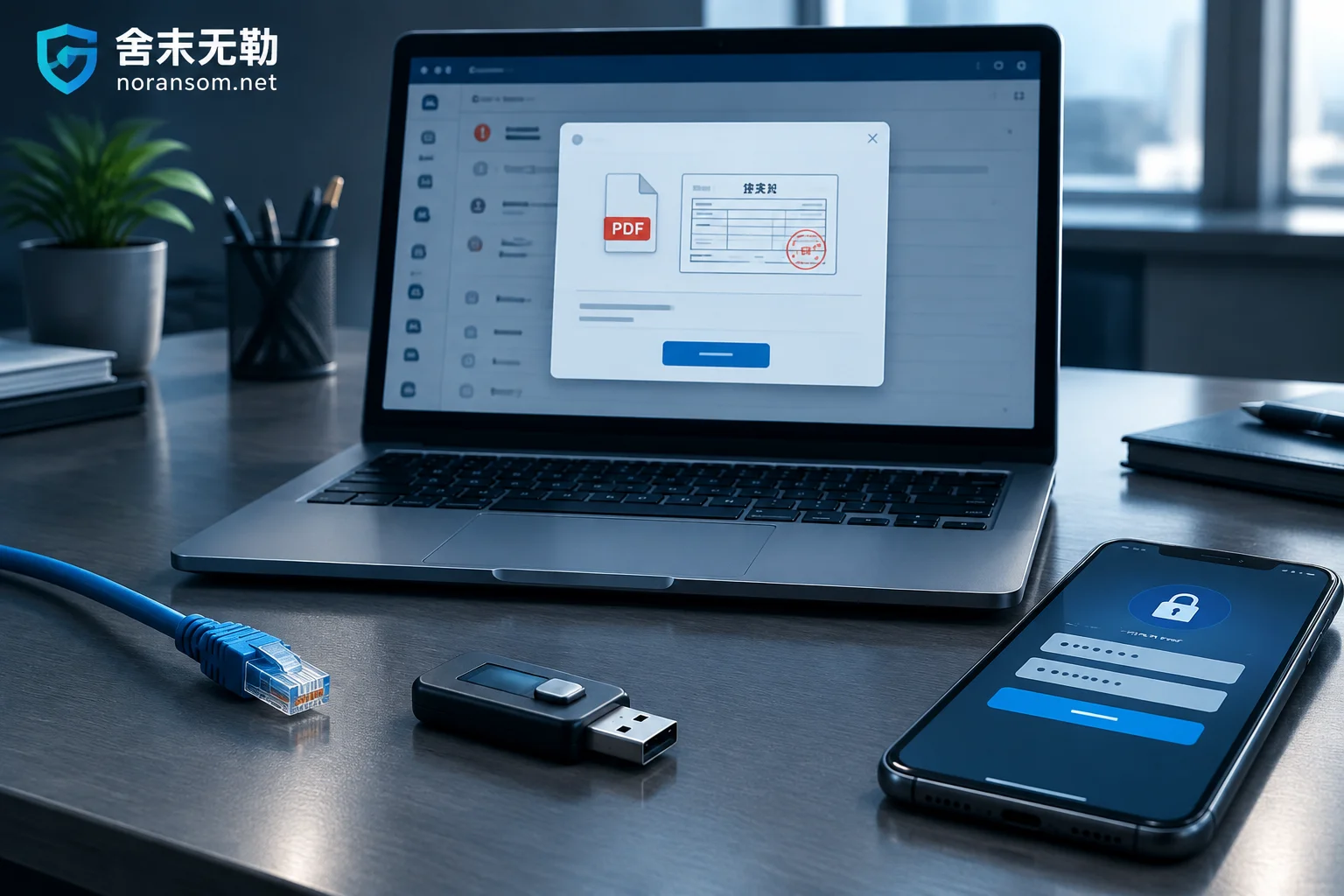
Opened a Fake Invoice Attachment and Suspect Your PC Is Infected: First Cut the Network and Stop Payments, Then Determine Whether It's Remote Control
If you accidentally opened a "invoice" attachment and suspect your computer is infected, first disconnect from the network, stop all payment actions, change passwords on a clean device, and terminate sessions. Then, based on whether files are encrypted, distinguish between a remote access trojan and ransomware and follow the appropriate response path, determining when professional incident response is needed.
LockBit Ransomware: How to Confirm, Can It Be Decrypted, and What Recovery Paths Remain Without a Key Match
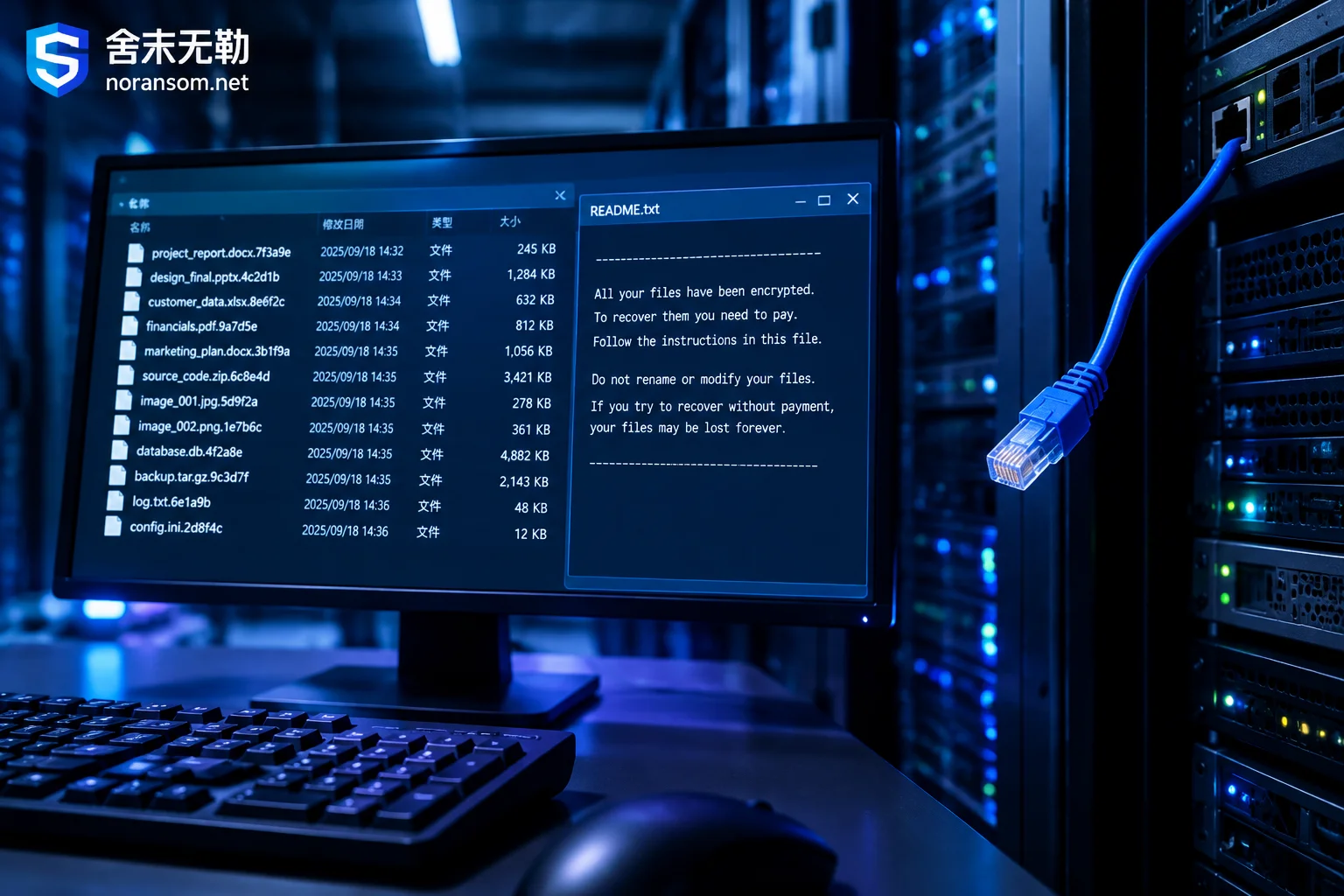
Identify LockBit and its version from file extensions and ransom note traits, explain what deleting shadow copies, clearing logs, lateral movement through domain controllers, and encrypting ESXi virtual disks mean for recovery, clarify the real scope of the No More Ransom decryption checker after Operation Cronos, and outline what to inventory for backup, database, and VM image recovery when no key match is found.
How to Tell If a Strange New File Extension Is Ransomware: 4 Checks and What to Do First
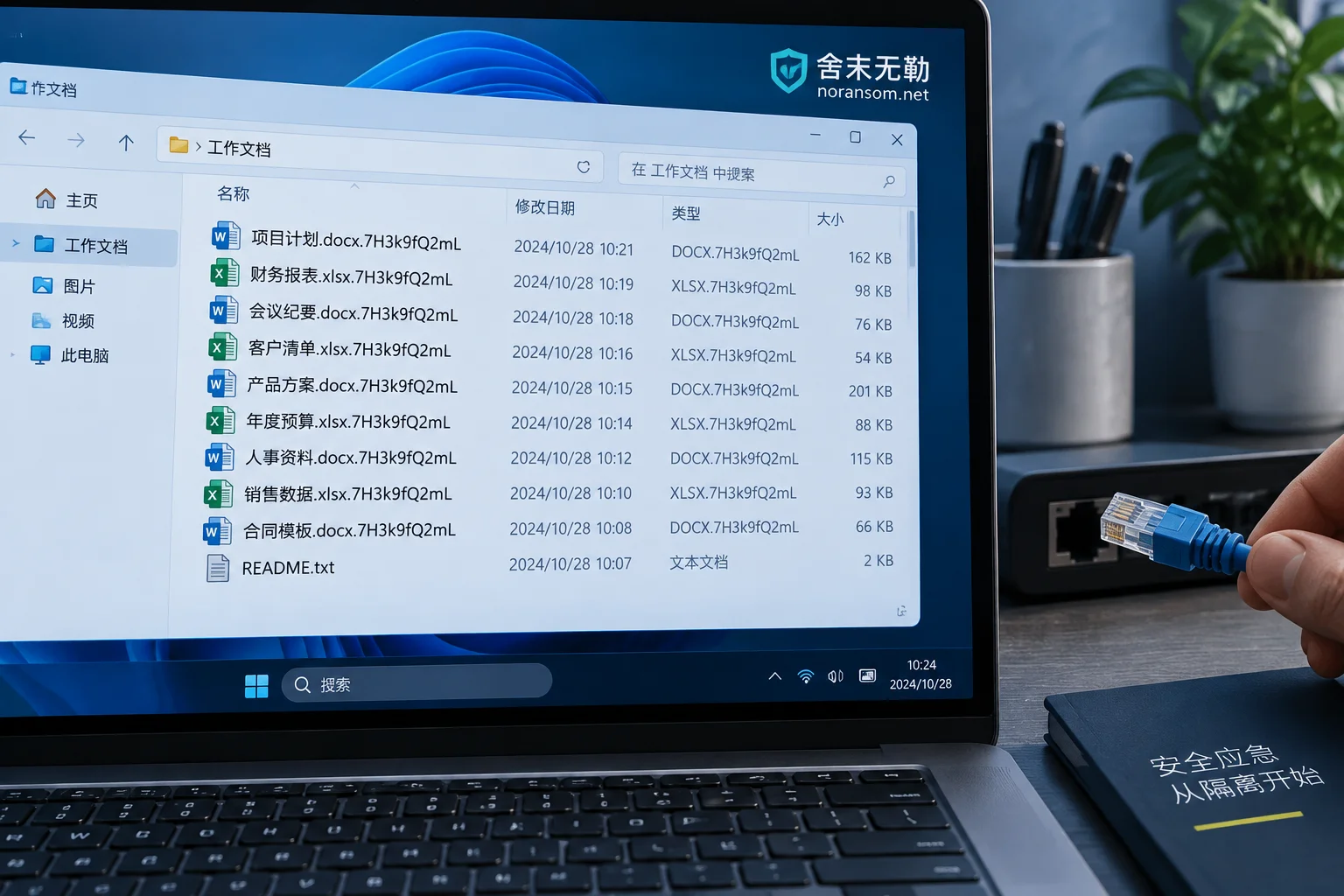
A sudden unfamiliar file extension isn't always ransomware—it may be an incomplete download, a temporary file, or an enterprise encryption software glitch. This article explains four self-checks, the correct first steps of isolation and evidence preservation after confirming an infection, and why 'antivirus cleaned it' and 'files can open' are two different things.