When the file extensions on enterprise servers suddenly change to .rox, .weax, or .wxx, it means your production environment has been attacked by Weaxor ransomware. For finance teams, IT operations staff, and business leaders, this is not merely file encryption but a major security incident that directly threatens business continuity.
Crisis Strikes: Why Is Weaxor So Difficult to Deal With?
Weaxor ransomware not only uses complex encryption logic but is often accompanied by attackers' lateral movement within the internal network. After many enterprises discover that business systems are inaccessible and database ledgers have turned into "garbled text," their first reaction is often panic. During the response process, however, any improper action—such as blindly rebooting, forcibly repairing databases, or trusting so-called "decryption tools" found online—may permanently damage the underlying structure of encrypted files and cause originally recoverable data to be completely lost.
Step 1: Scientific Identification, No Blind Actions
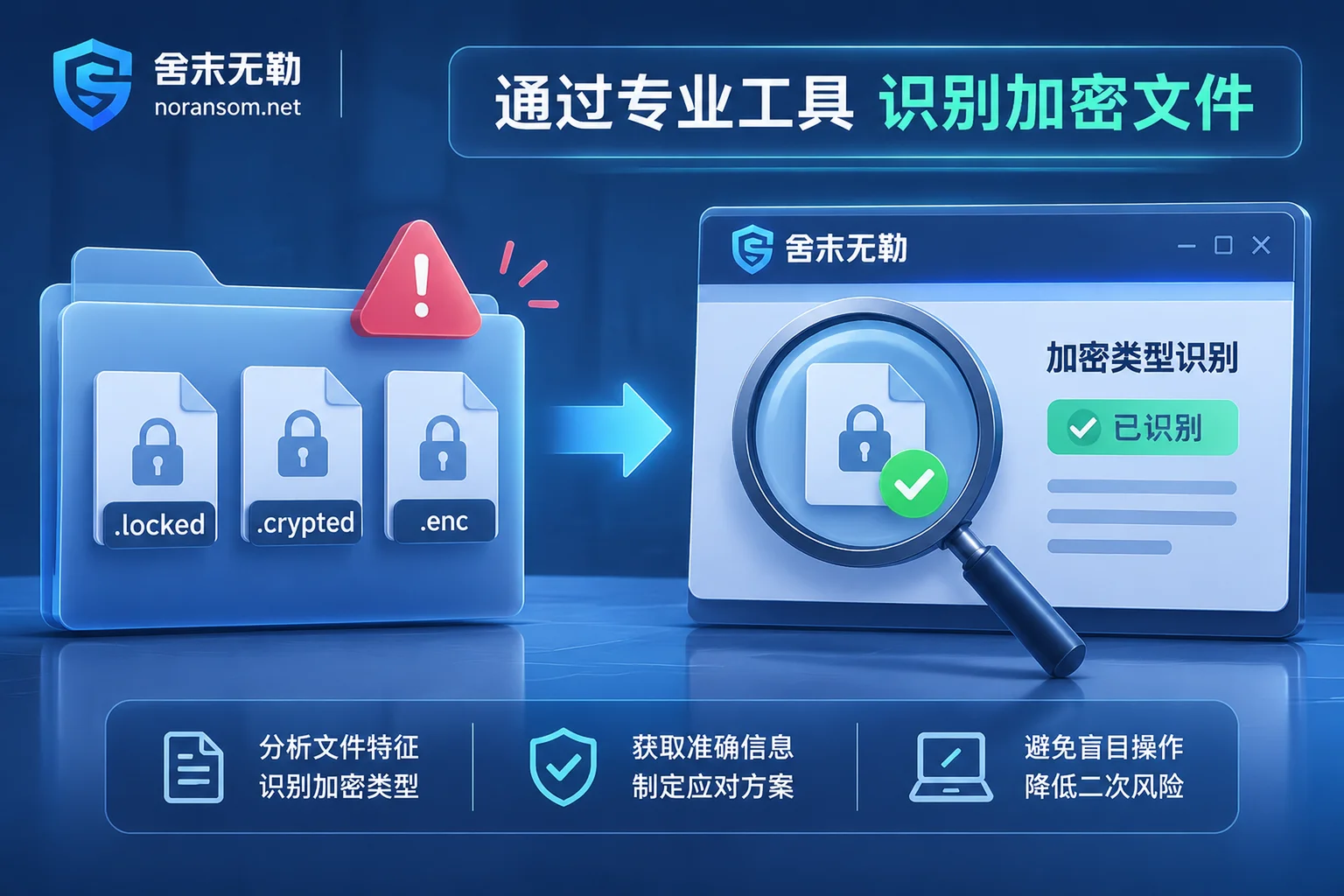
When system anomalies appear, do not blindly try unknown third-party scripts. You can use the Shemowule Online Ransomware Identification Tool to quickly locate the virus family and the current recoverability overview within the technical community by querying the ransom note filename or encryption extension. Understanding the encryption family is the foundation for developing a follow-up plan, and it helps you avoid wasting the golden rescue window in the wrong direction.
Step 2: Professional Logic from "Loss Containment" to "Recovery"
When facing complex ransomware families such as Weaxor, Shemowule adheres to the principle of "identify and assess first, then implement recovery." The core process is as follows:
- Emergency Isolation and Incident Response: After receiving the alert, we first conduct remote or on-site handling to control the scope of virus impact, remove persistence mechanisms present in the internal network, and ensure the cleanliness of the subsequent recovery environment, avoiding the vicious cycle of "being re-encrypted while recovering."
- Professional Recoverability Assessment: For encrypted databases (such as SQL Server), virtual machines (ESXi/Hyper-V), and ERP systems (UFIDA, Kingdee, etc.), we conduct underlying sample analysis and issue a rigorous recoverability assessment report, informing you of the actual recoverable scope, results, and potential risks, leaving the decision to the business owner.
- Multi-Path Data Rescue: In addition to attempting direct decryption, we also focus on backup and snapshot repair, database file-level repair, and extraction of unencrypted remnants and fragments, making every effort to preserve your core business ledgers.
Refuse to Pay, Strengthen Defense from the Source
We do not support paying ransoms to hackers, because this cannot fundamentally guarantee data security and may instead invite the next attack. In addition to immediate emergency recovery, we also provide security hardening and protection services, focusing on reducing external exposure, remediating high-risk vulnerabilities, and establishing tamper-proof backup mechanisms to fundamentally improve the enterprise's "immunity."
For in-depth research on ransomware such as Weaxor, you can refer to our Weaxor Ransomware Topic Library to learn more about underlying logic and defense strategies. In emergencies, please remain calm and obtain professional assistance through Emergency Response Services.



Comments(0)