In the 2026 cybersecurity landscape, ransomware attack methods have evolved from simple "full-disk spreading" to "precision surgical" encryption targeting core enterprise accounting systems (such as UFIDA, Kingdee, GJP) and virtualized environments (such as ESXi). Many enterprises' first reaction after an attack is to "seek medical help in a hurry," not knowing that wrong recovery attempts are often more destructive than the virus encryption itself.
1. Why Are "Wrong Operations" the Number One Killer of Data?
We have seen too many tragic cases: to save time, running unknown "decryption software" directly on the encrypted server, causing the virus to reactivate and residual encryption scripts to completely destroy unencrypted fragments; or directly attempting system restore without any environment isolation, resulting in the loss of original logs and missing the golden time for traceability and forensics.
Ransomware handling is a race against time, but speed does not mean chaos. Before any data recovery operation, please be clear: ransomware decryption is not simply clicking "run"; it is a complex project involving underlying analysis, variant identification, and environment repair.
2. NoRansom: From Scientific Assessment to Precise Rescue
Facing locked data, NoRansom (noransom.net) advocates "identify first, assess second, implement last."
- Step 1: Precise Identification and Assessment
Don't be fooled by fancy extensions. Use our ransomware identification tool to quickly lock down family characteristics through ransom notes or encrypted extensions. In the ransomware database, you can check the latest trends of popular families including Weaxor, Mallox, etc. Step 2: Differentiated Rescue Plans
We provide targeted solutions for different business scenarios:- Databases (SQL Server/ERP accounting systems): Reject simple repairs; we use underlying data recovery methods to reassemble database page-level fragments.
- Virtualization platforms (ESXi/Hyper-V): Handle virtual disk underlying header corruption to ensure business environment integrity. Learn more about virtual machine recovery solutions.
- Step 3: Full-process Closed-loop Emergency Response
True security is not just about recovering data. Through security emergency response and attack traceability and forensics, we can help enterprises clean up residual backdoors, block high-risk vulnerabilities, and provide detailed security hardening and protection recommendations to prevent the same tragedy from happening again.

3. "Golden Rules" for Enterprise Owners in Emergency
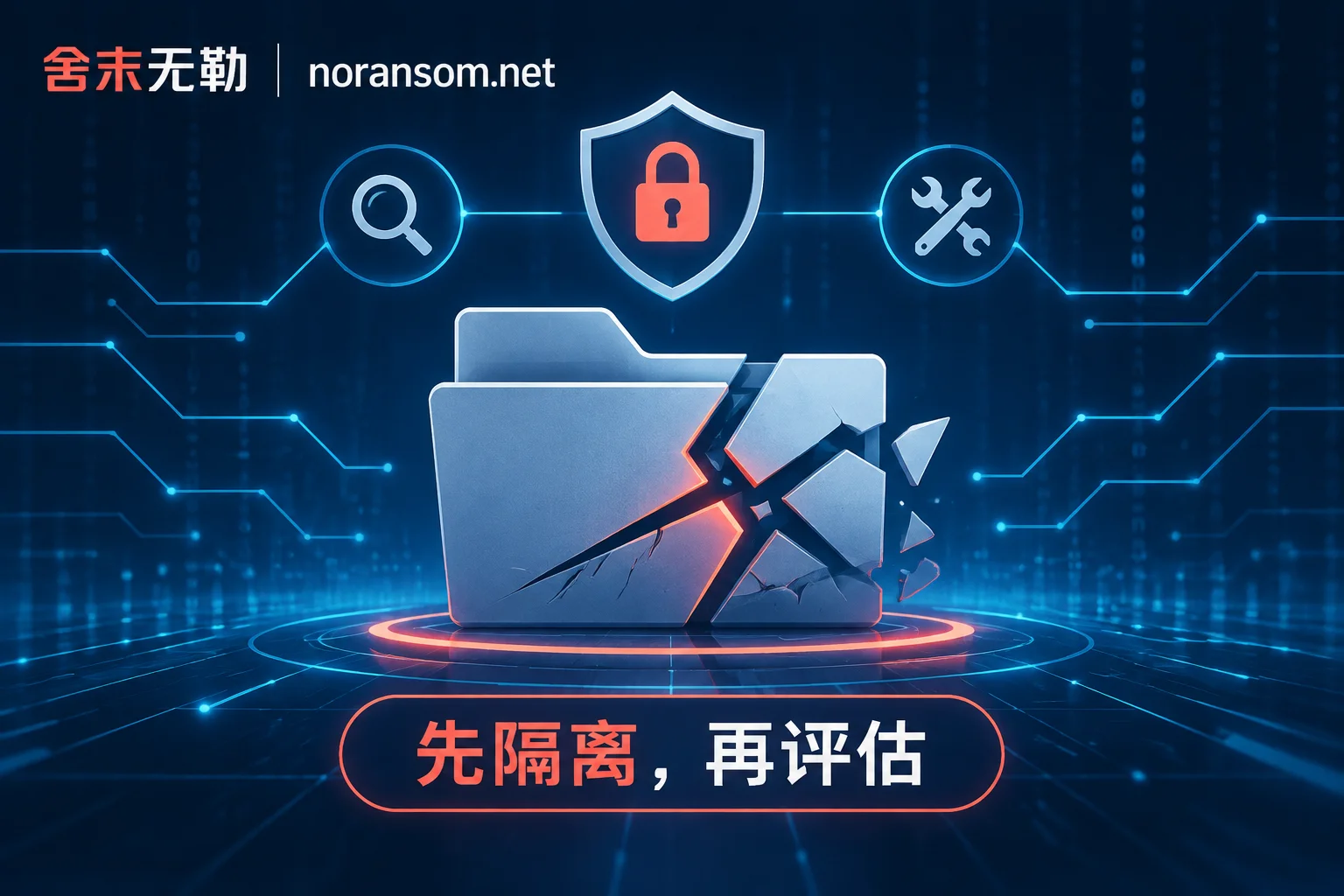
- Calm Isolation: Upon discovering encrypted files, the first action is to unplug the network cable, do not shut down (preserve memory site), and prevent the virus from continuing lateral spread.
- Refuse Ransom: Paying ransom not only cannot guarantee 100% data recovery but also makes you a "key target" of the black market.
- Professional Division of Labor: For decryption, find a professional team; for system upgrades, find software vendors; for reporting, follow the formal public security process. Don't pin all hopes on one person or one tool.
Final Words
Ransomware is not scary; what's scary is losing rational judgment in panic. Before deciding whether data can be recovered, be sure to conduct a scientific assessment through our process and quotation. If your business is suffering from ransomware, stay calm, follow our process to carry out self-rescue in an orderly manner or seek professional assistance.
To learn more about identification and handling of Silver Fox Trojan, please follow our special page. Don't let lurking remote control become the data black hole of your enterprise.



Comments(0)